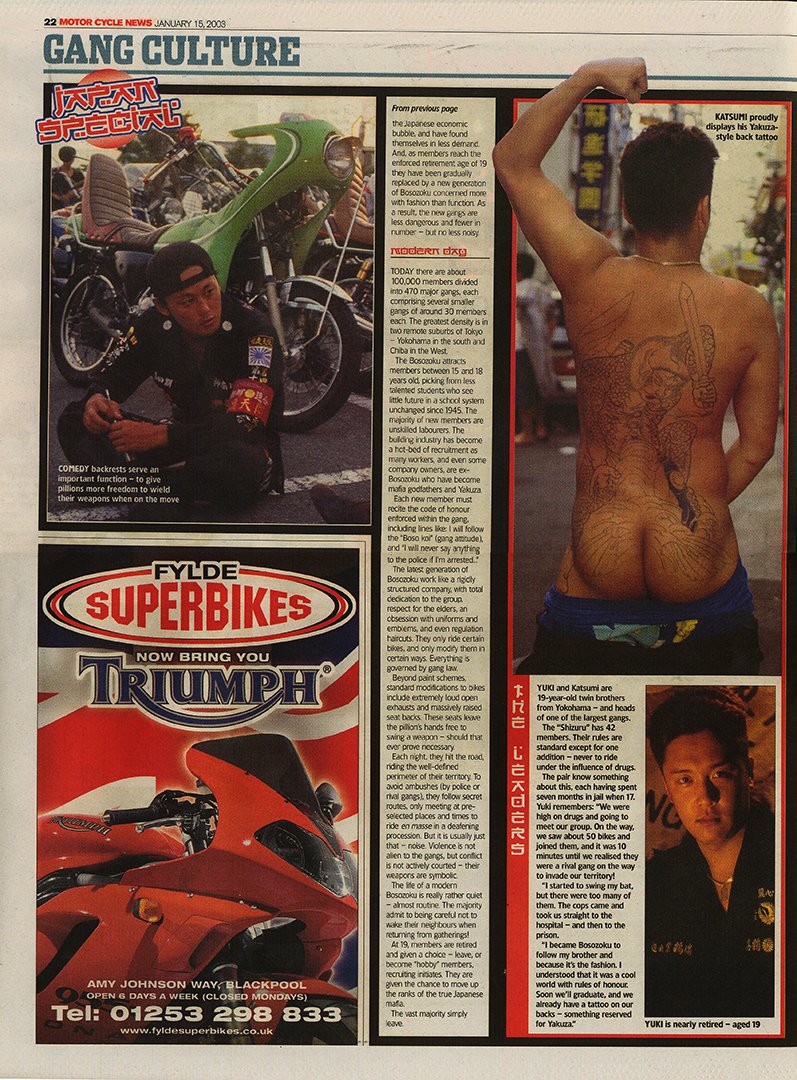
I was the unique journalist who had done a full report about Japanese Bosozoku and this was rewarded by a great number of publications since 15 years as this subject is still on sell by Corbis agency.
By Franc Péret (Shot on Film: Fuji Provia 100 slides)
All this story had been shot on slides which was a difficult task as I had to shoot quick and many pictures had to be taken at night or indoor, sometime without flash.
I am not showing the original pictures on this post, as they are still on sale by Corbis Photo Agency, but instead you can see here, in this gallery, some of the publication I got at that time: Moto Journal (France), Das Motorrad (Germany) and MCN (England). Interesting to see the different layout and pictures selection.
MCN gets the worst rendition as it is printed on a bad quality paper (newspaper format).
Why am I the only one on earth who had done this topic? Because of the Japanese mafia involved in this activity and the real danger to get too deep or too close with it. Being a professional journalist and photographer is also to be able to set up such story and to get out of it, in one piece.
While living in Taiwan, I was hired by a local publisher who wanted to edit a tourist guide dedicated to Paris. He sent me 3 weeks in the French capital to take as many pictures as possible.
Photos: Franc Péret
Funny thing is that I truly discovered Paris during that dedicated shooting session, despite the fact that I was born, lived, studied and worked in Paris suburb my whole life before my departure to Taiwan!
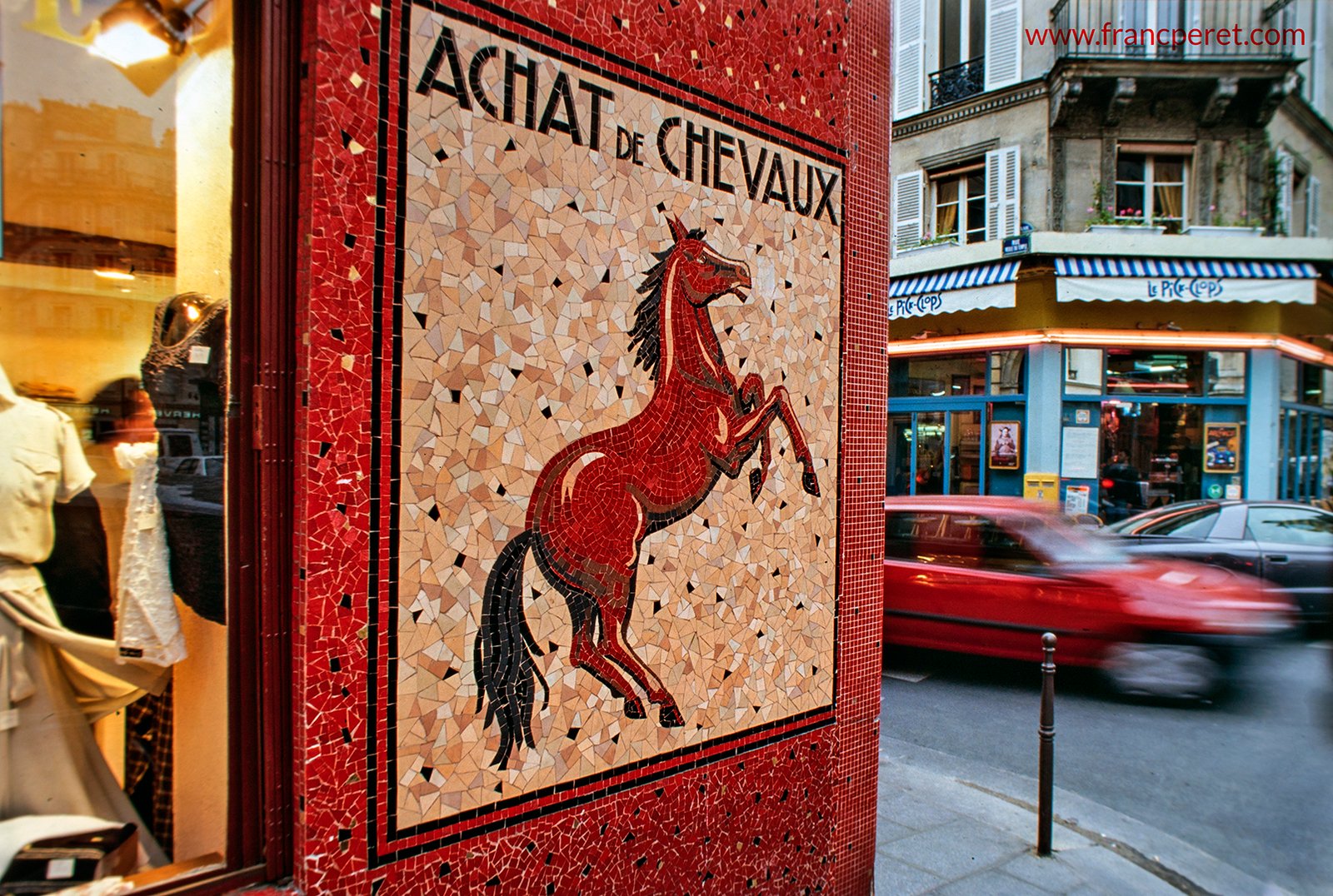
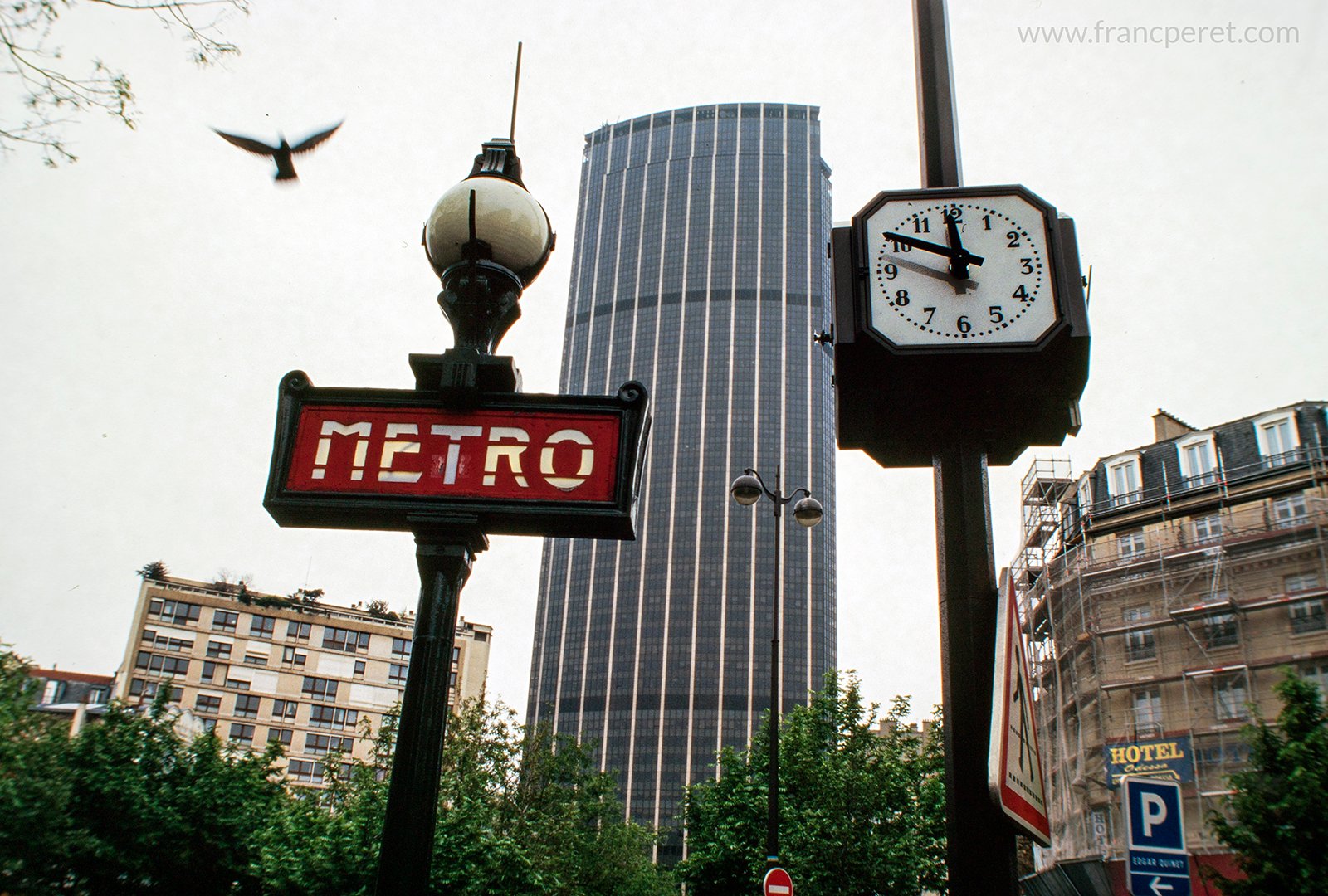
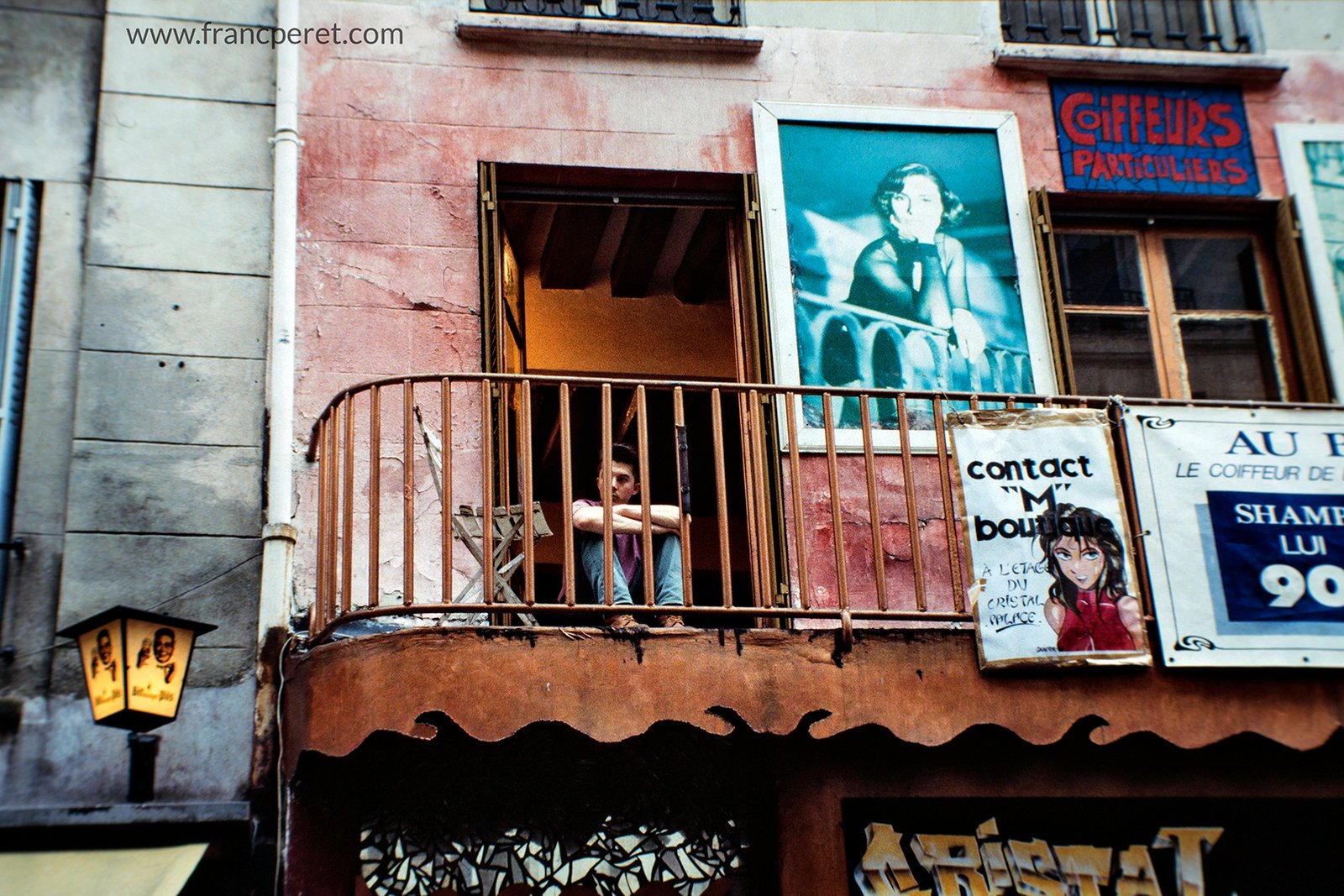
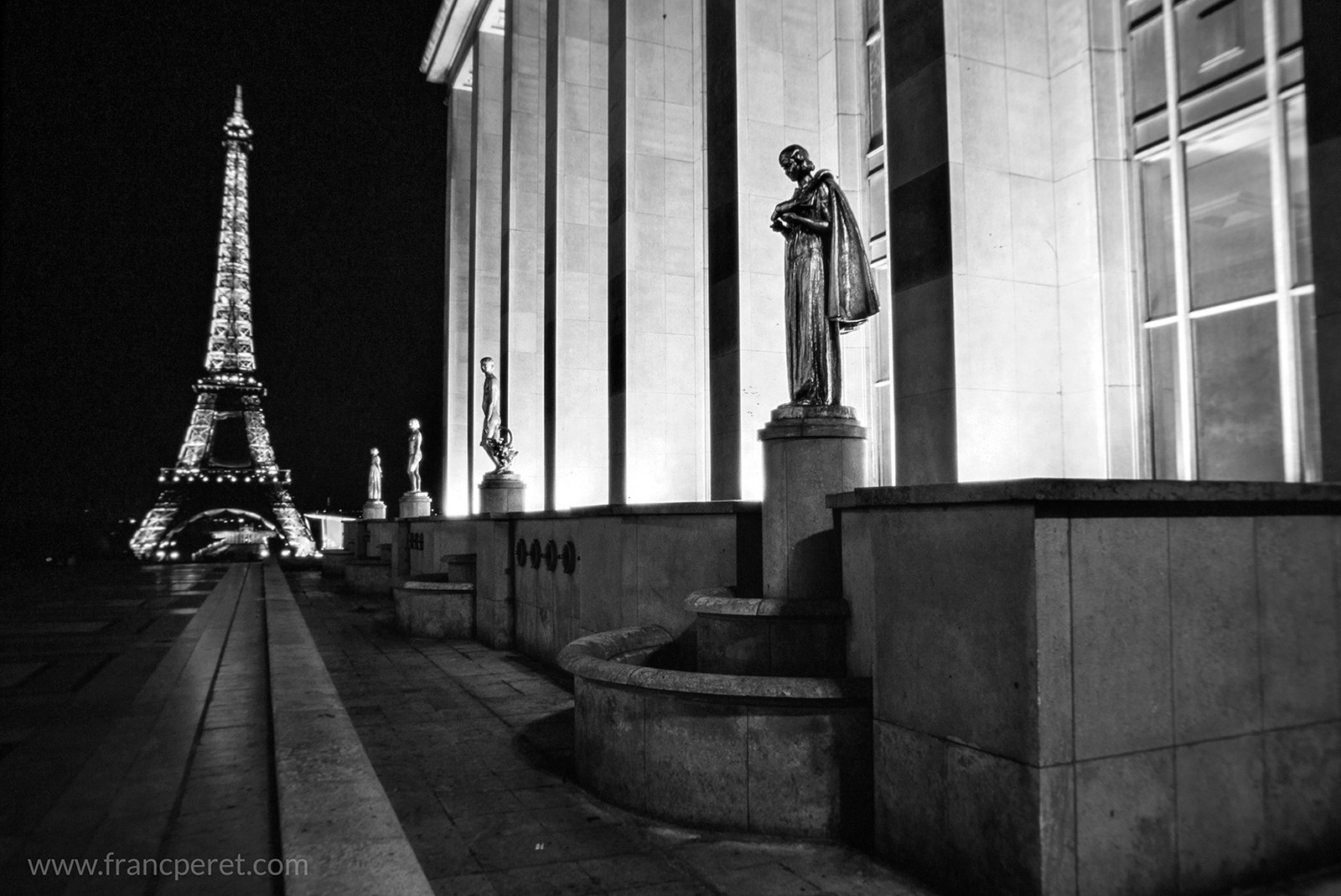
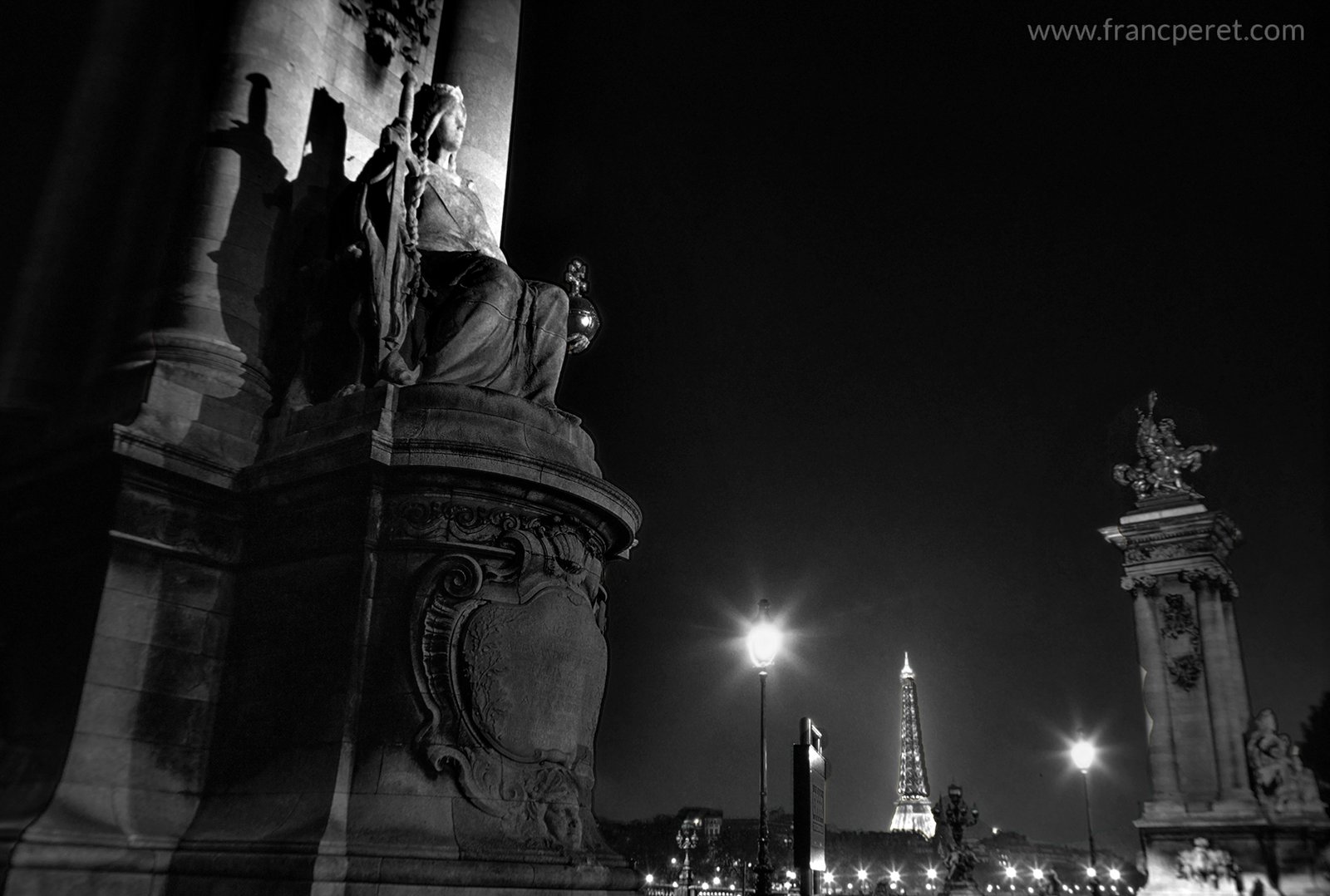
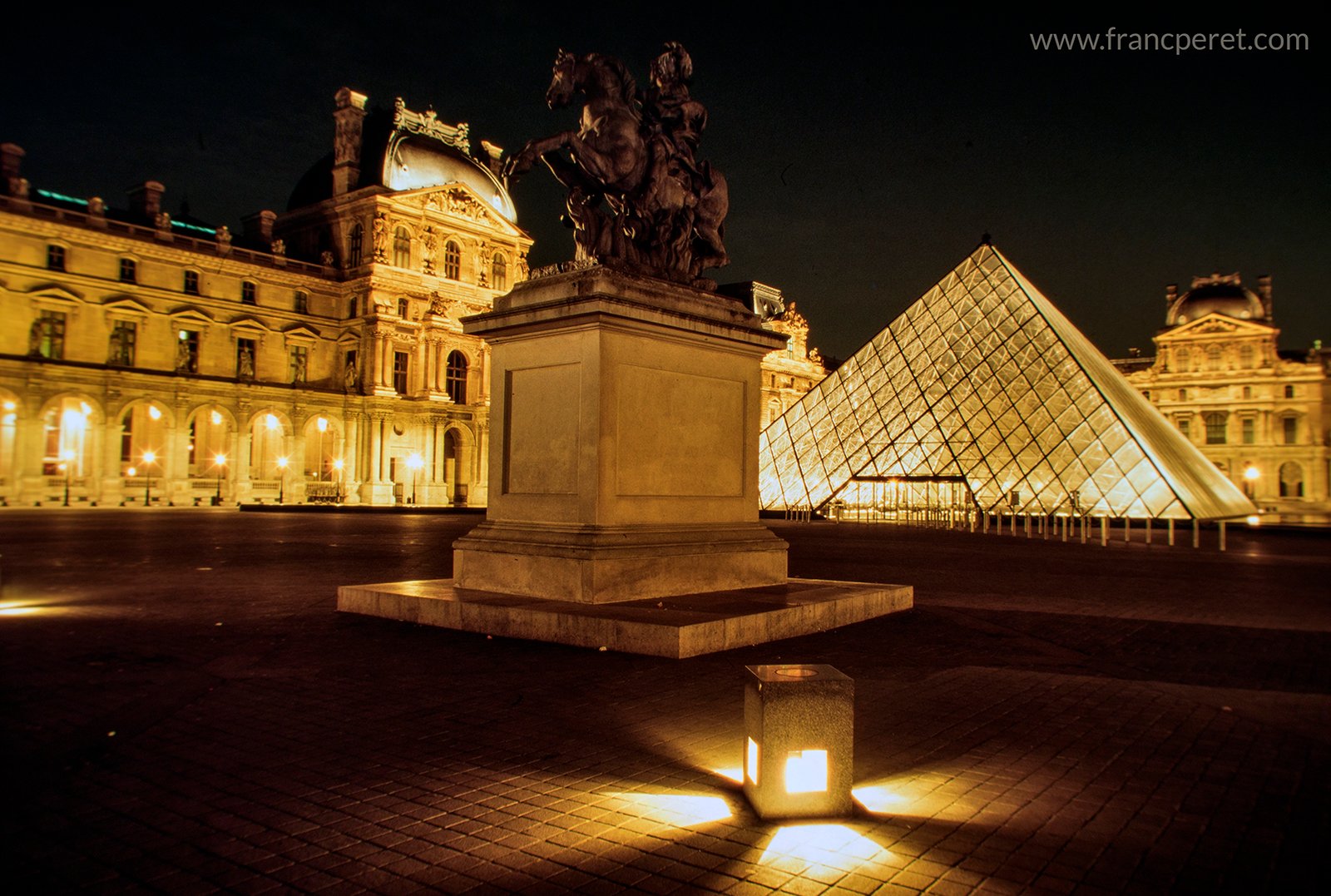
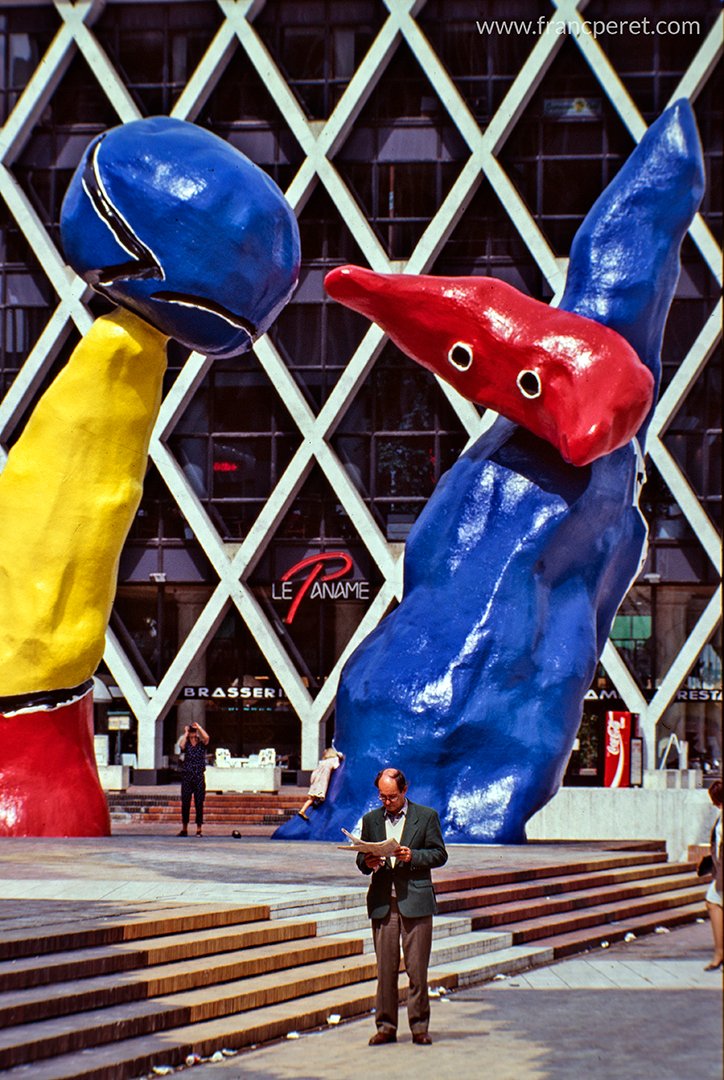
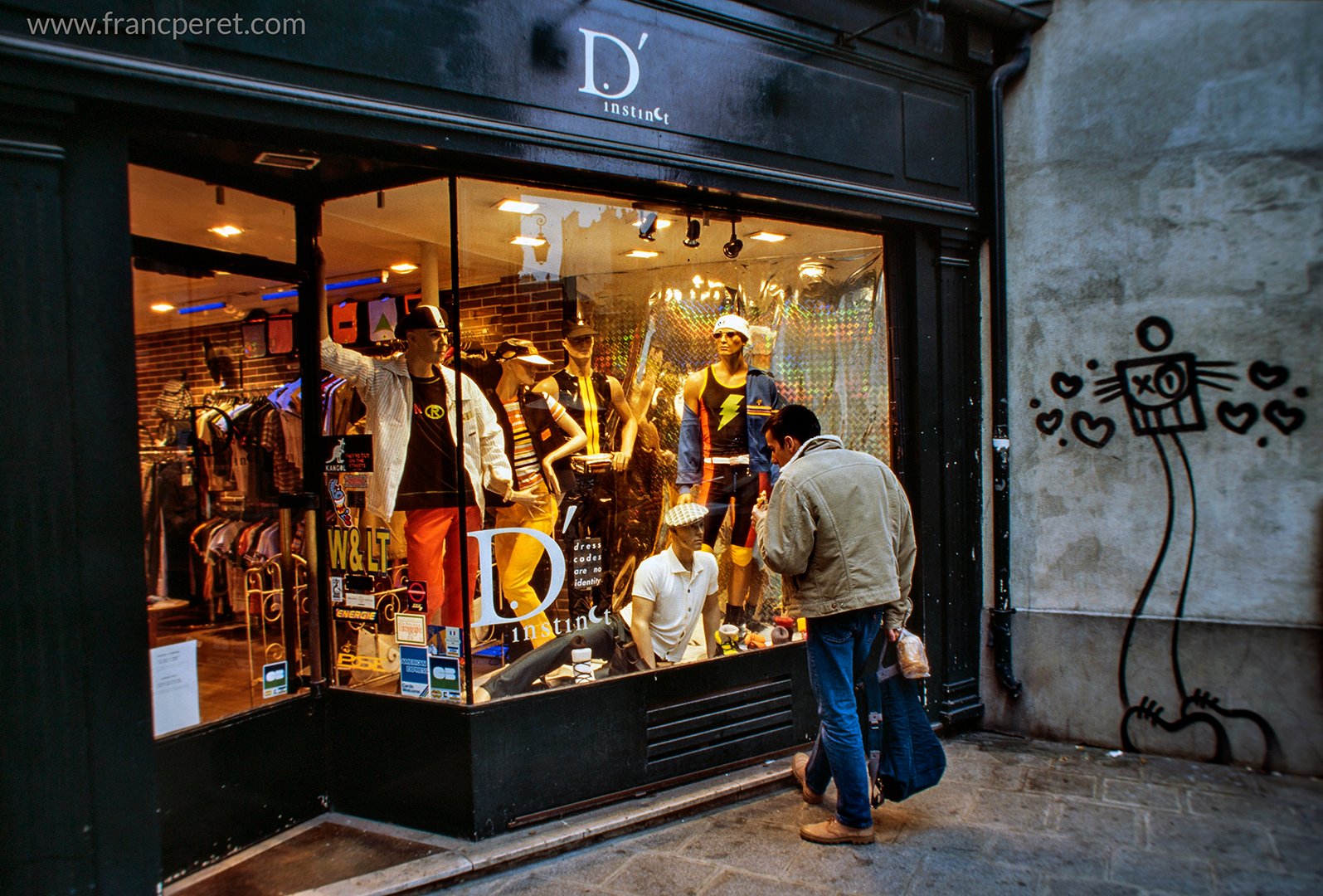
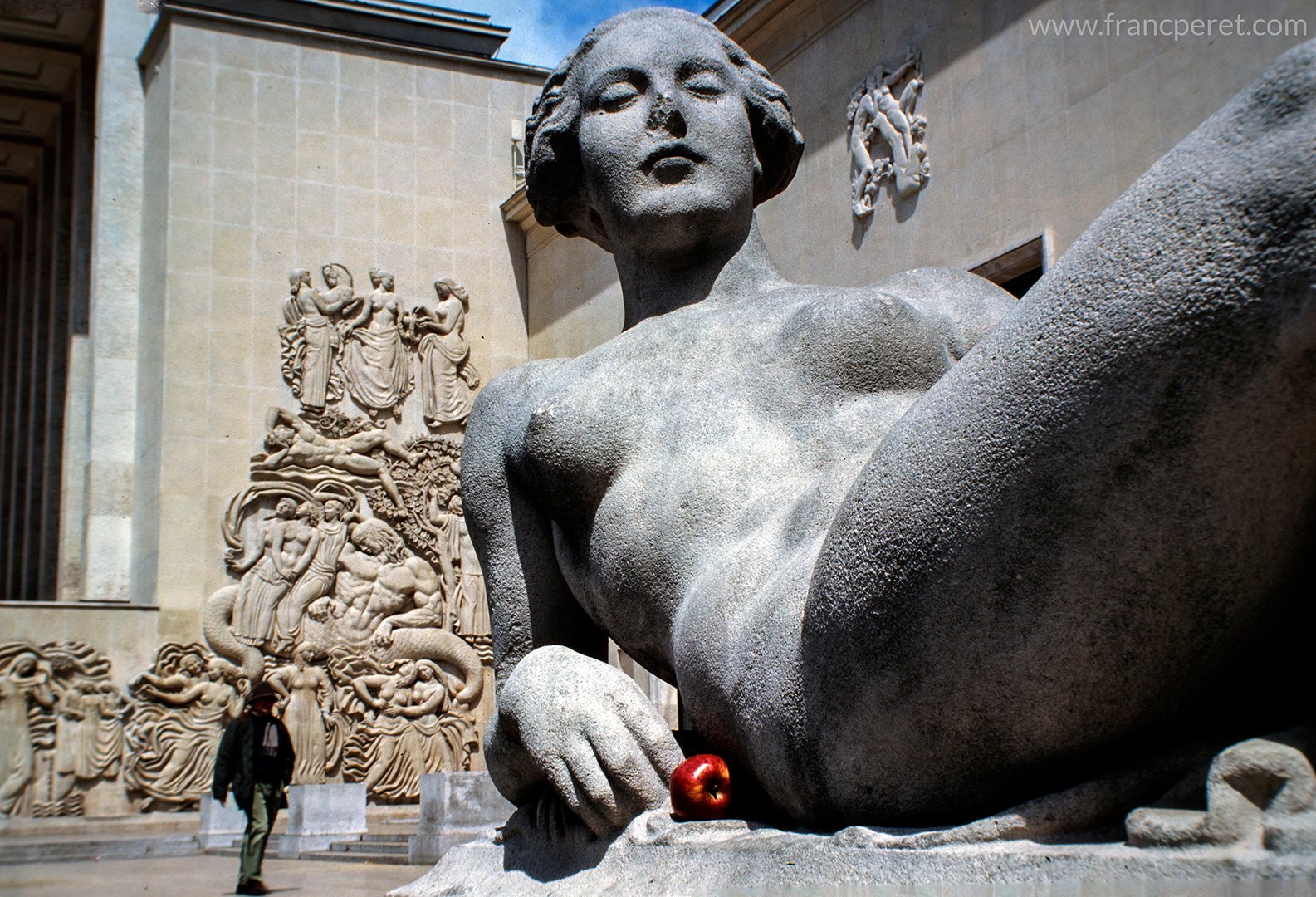
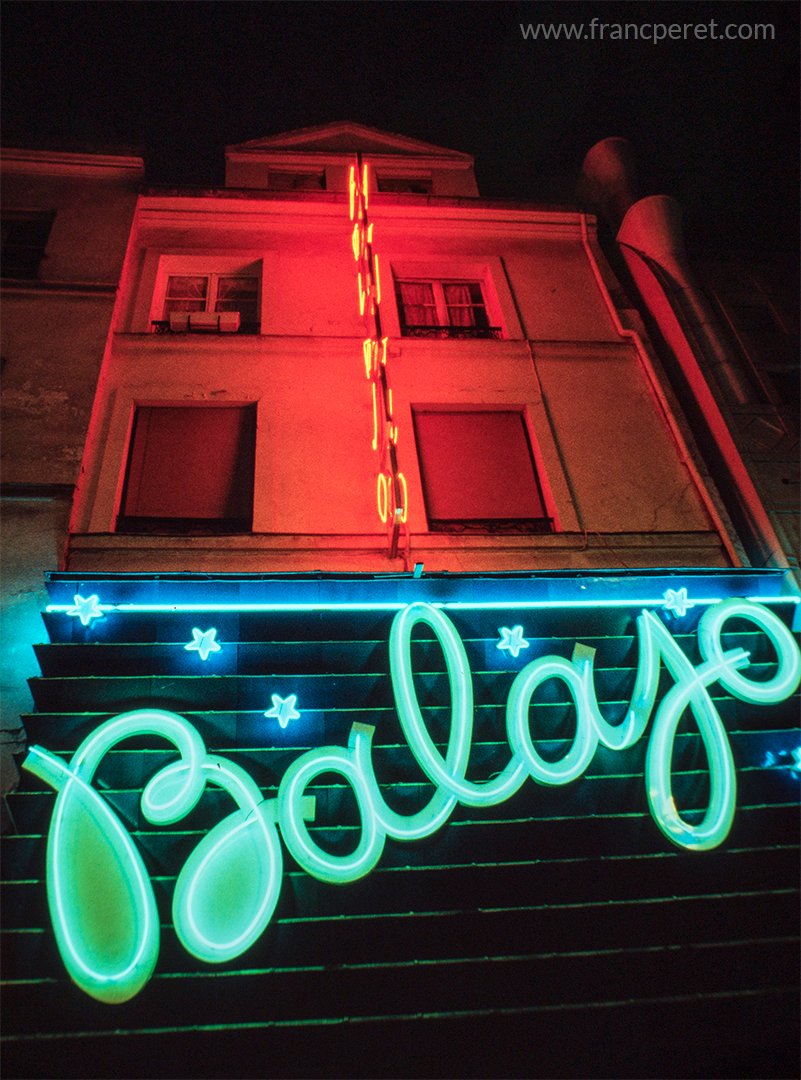
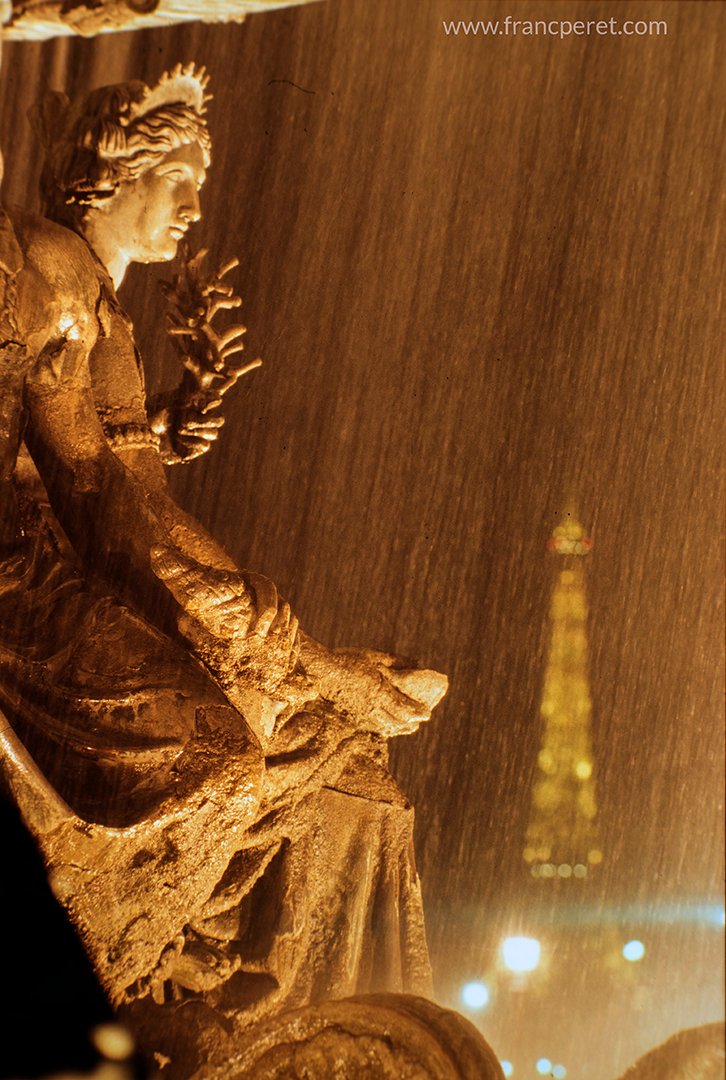
Here is a selection of some of the shot which were published in the guide book. Enjoy!
(Shot on Fuji Velvia and Provia slides film)
Here is the final result, the cover of the 200 pages Paris Guide published in Taiwan
Vertical Vision
Pigeon, subway, tower and clock
Taking a rest
Stylish balcony in quartier LatinChairs meeting in the parkCrunching ball on the move
Famous spots
Triumph ArchDeserted TrocaderoSculpture keeping an eye on the Eiffel TowerLouvre Museum and its pyramid
Having a look
Watching the newspaper readerWatch the dog instead!Feeding dukes familyWho is watching ?Undercover book salesmanThe hidden Apple
Night lives
Another Paris by nightFontaine and Eiffel TowerConcorde place with an Obelisque lighted in blue
Heavy Metal
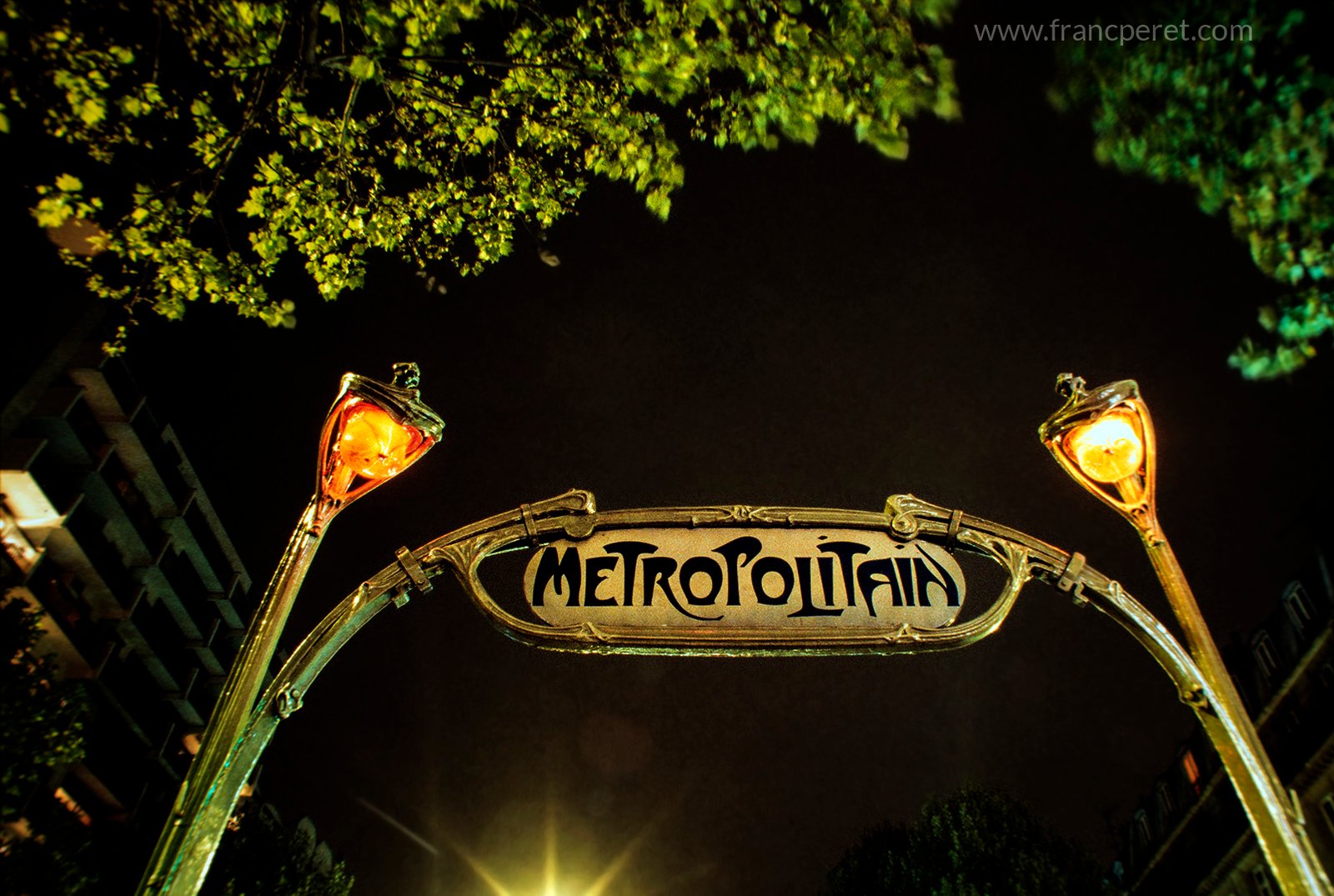
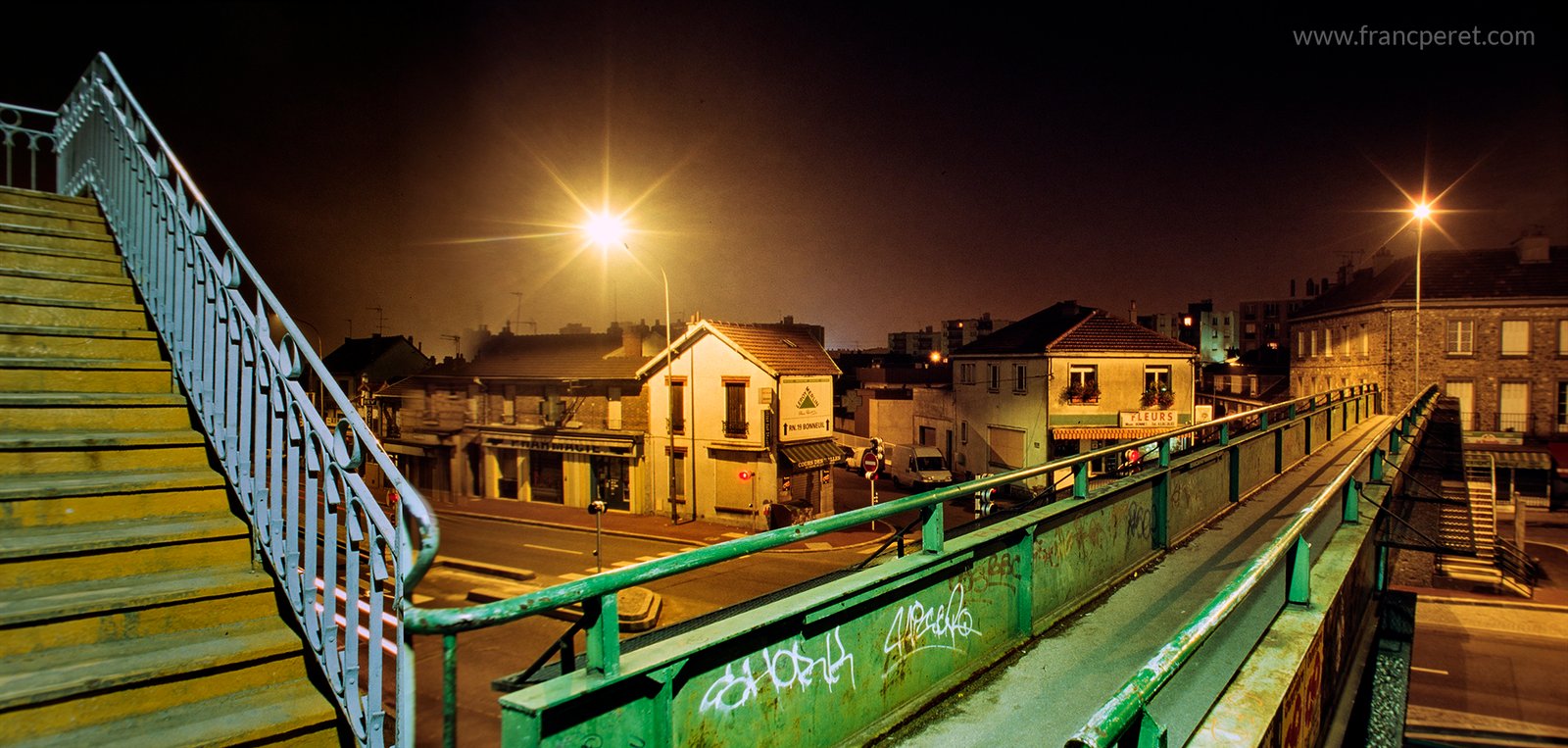
Metropolitan sign born in 1900Subway entrance, Art Nouveau styleGreen Bridge in Paris suburb
Traffic
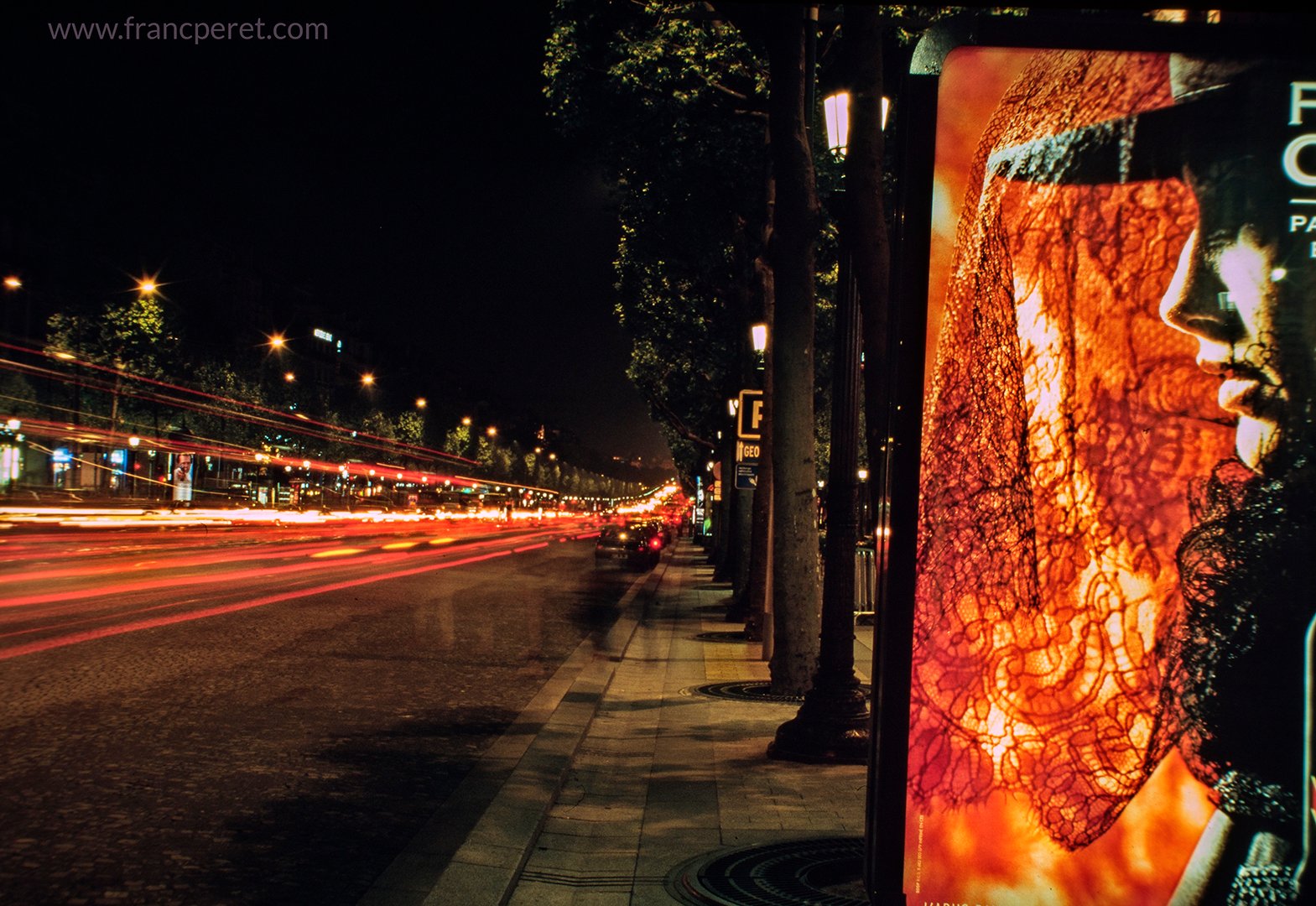
Romantic ridingScared Red Horse by the passing red car. Birth of the Ferrari logo?Periphery ring Traffic jam under the rainAdvertisement facing the night traffic
Cars in Streets
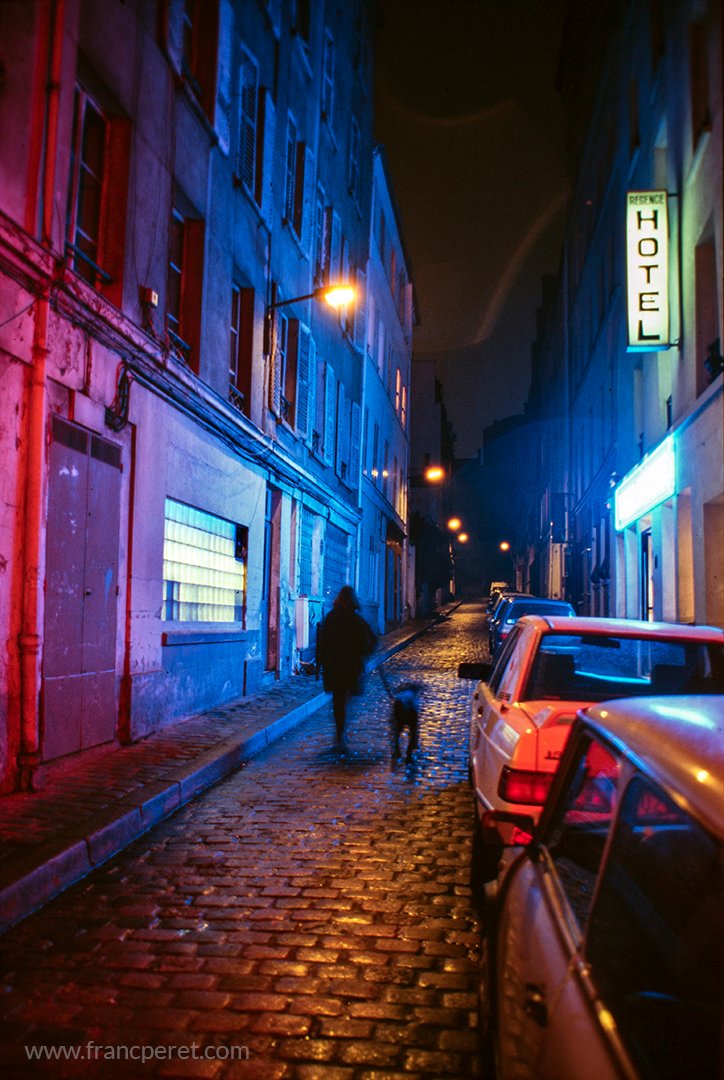
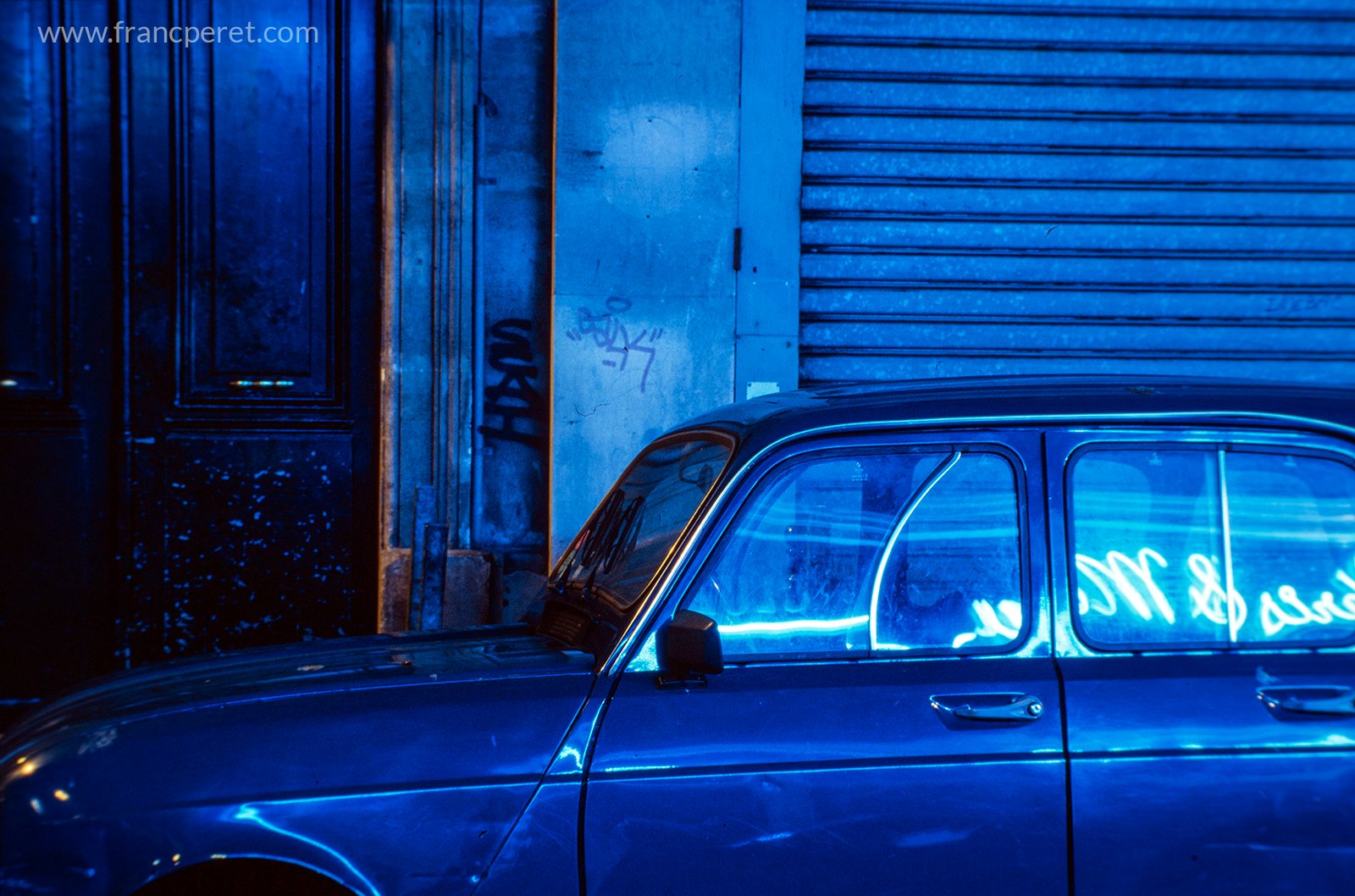
Night Shot in Pigalle areaA legend in the street: Fiat 500Another legend; Renault 4L in blue night
Sunsets
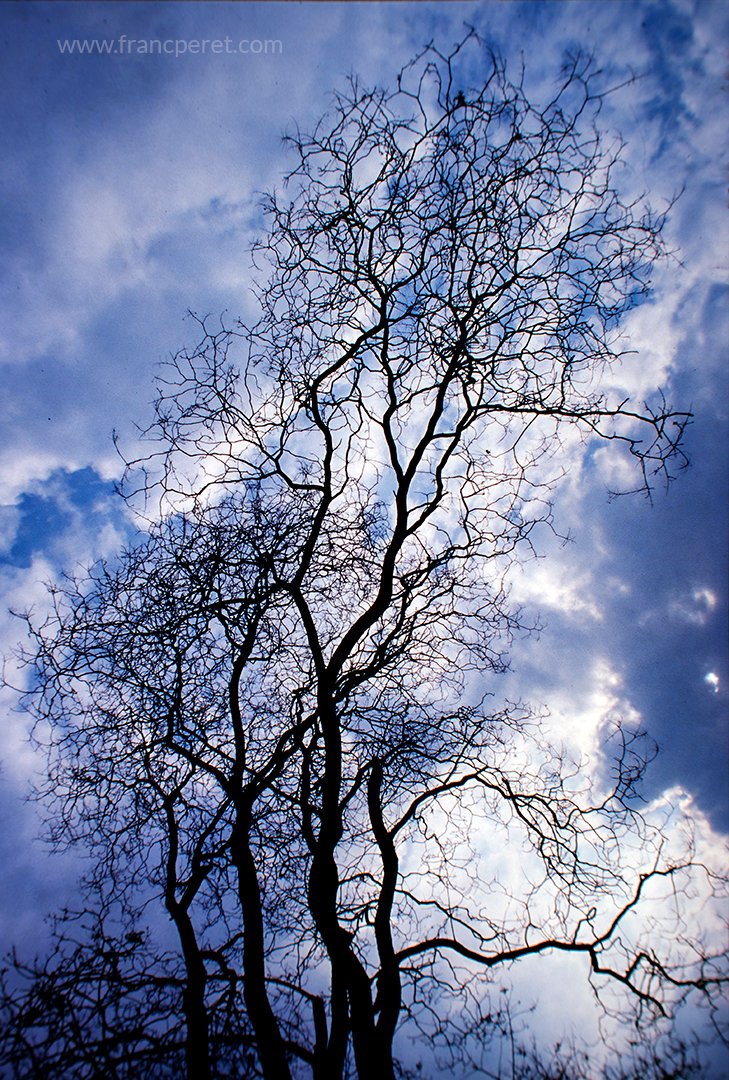
Purple sunset on Seine riverWinter sky in summertimeSeine river topped by Tour EiffelGuarding the Sunset
As a photo journalist, I always grab the opportunity to try something new and challenging, in term of working condition and lighting. In 1988, I got a pass from one of my friends involved in the organization of the Paris show of “Johnny”, a (still) huge star in France.
Photos: Franc Péret
With the backstage access, I got the opportunity to stand before the first raw of the public (50 000 people), with few other photographers, just in front of the performance.
Band of guitar player
I set up my Nikon FE2 manually, checking from time to time the right exposure on the shubject’s skin.
Rock attitudeDark Side under spot
Getting the right (manual) focus and being in tune with the movement of the singer to get him as sharp as possible were also challenging in such a changing environment.
Team leader
To get slide good enough for publishing, there was no way to use more than ISO400.
Getting deepGiving it all
Beside my technical brainstorming, I was amazed by the atmosphere of the show and the emotion shared between the performers and the public.
Stunt on the sceneTo illustrate the song: “Tout est possible a moto” All is possible on a bike
My set of pictures stay few years in News agencies such as Gamma and Arenok (shot on Kodak slide ISO400).
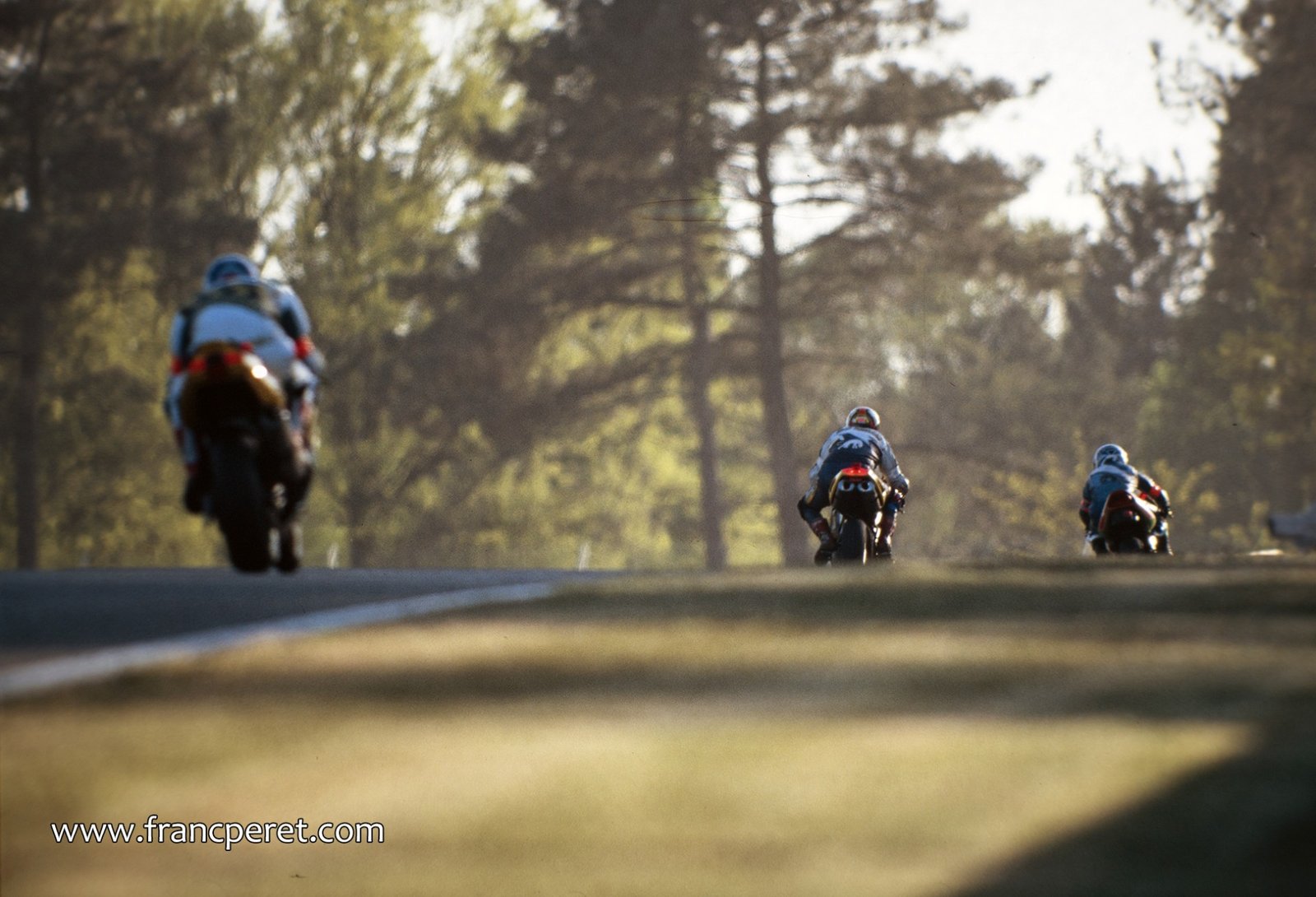
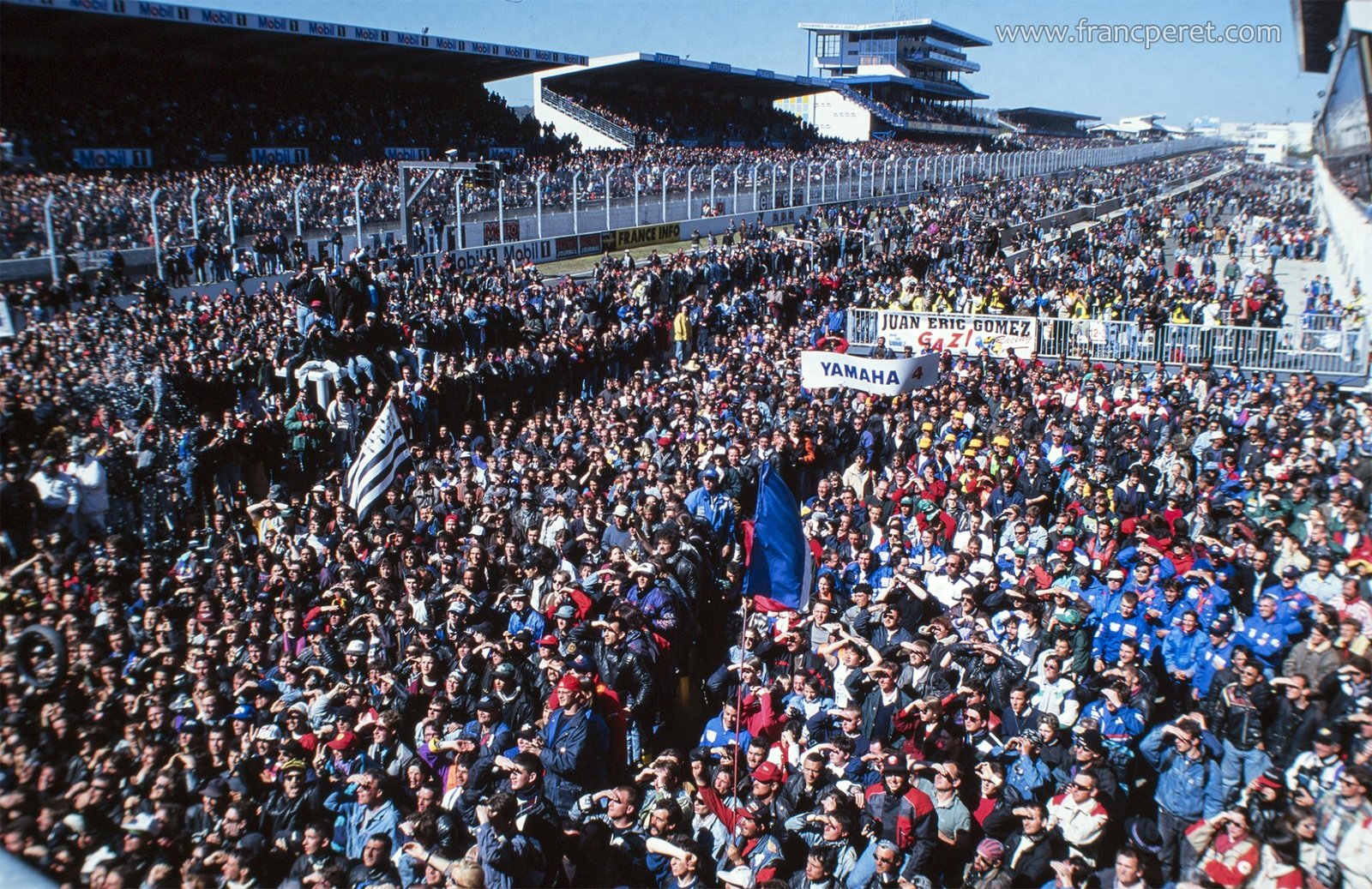
24 Hours of Le Mans is one of the biggest Motorsport event in the world with 100 000 spectators and hundreds of riders competing for the most important Endurance title of the year. More than the competition itself, I focused on the ambiance on the track and the way people were enjoying the show.
Photos Franc Péret (shot on Fuji Provia ISO100)
At a very early stage of my career, practicing Motorsport myself (see some details here) before becoming a journalist, I had to master sport photography, which was a difficult task, at start.
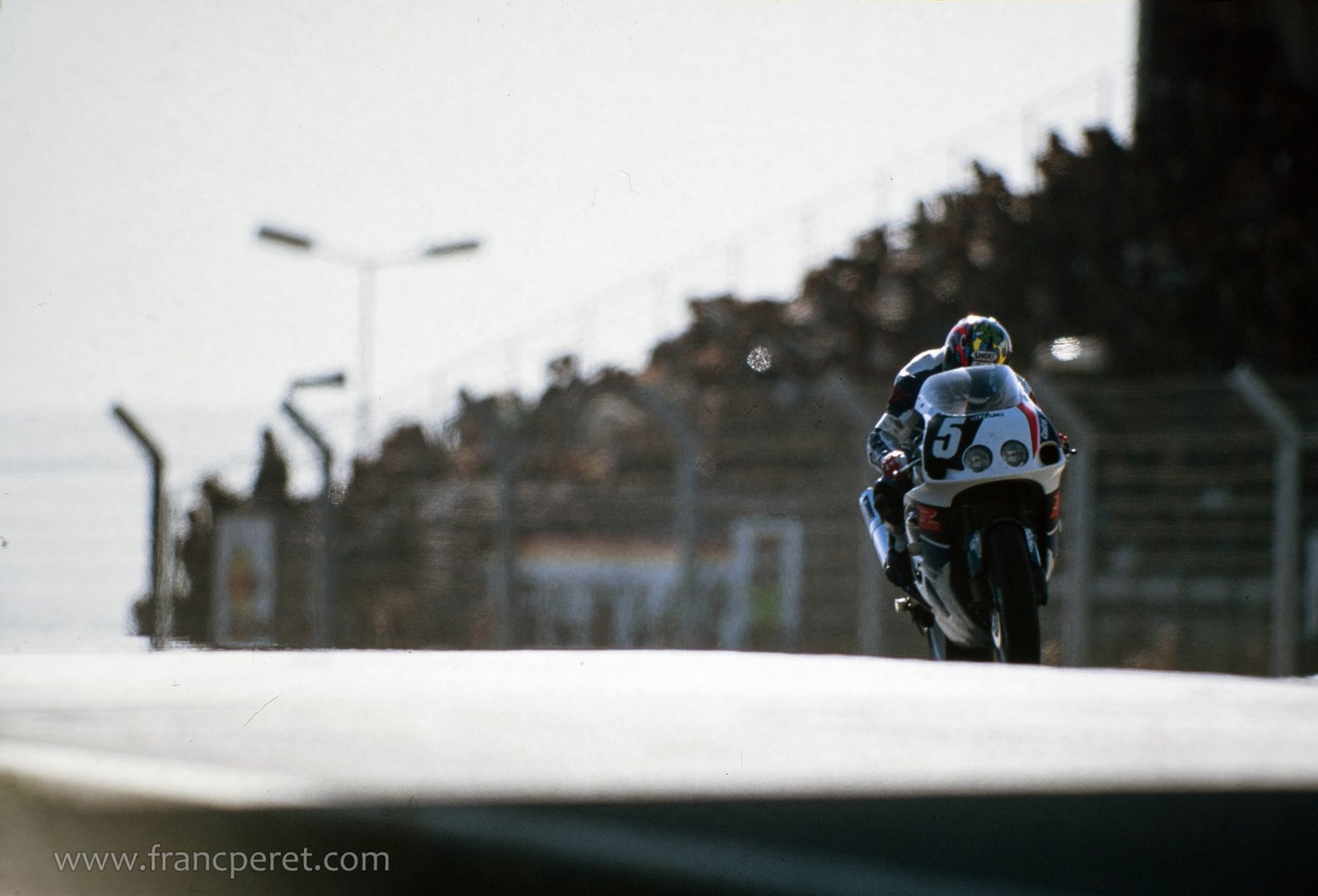
Only experience allows to compose such a shot with a film camera, a basic auto-focus system, a very long lens (600mm f4) a challenging lighting condition and subject in high speed motion jumping into the frame.
This was especially true at the beginning of my career 28 years ago, when I was working with film camera limited to low ISO (Most of those shots had been taken with ISO 100 films), limited in number of shots (could not carry and pay for thousands of film roll) manual setting and manual focus lenses.
Best way to join the event with a complete family + a dog? A side car.
It is quit surprising nowadays, having so many photographers complaining, on forum, about their newly released Digital camera not being efficient enough (number of focus points, focus speed and accuracy) for shooting moving subject .
It sounds like newcomers in photography never have enough technology to compensate their lack of training or practice, and now, some are even asking for more lens or sensor stabilization and greater high ISO value.
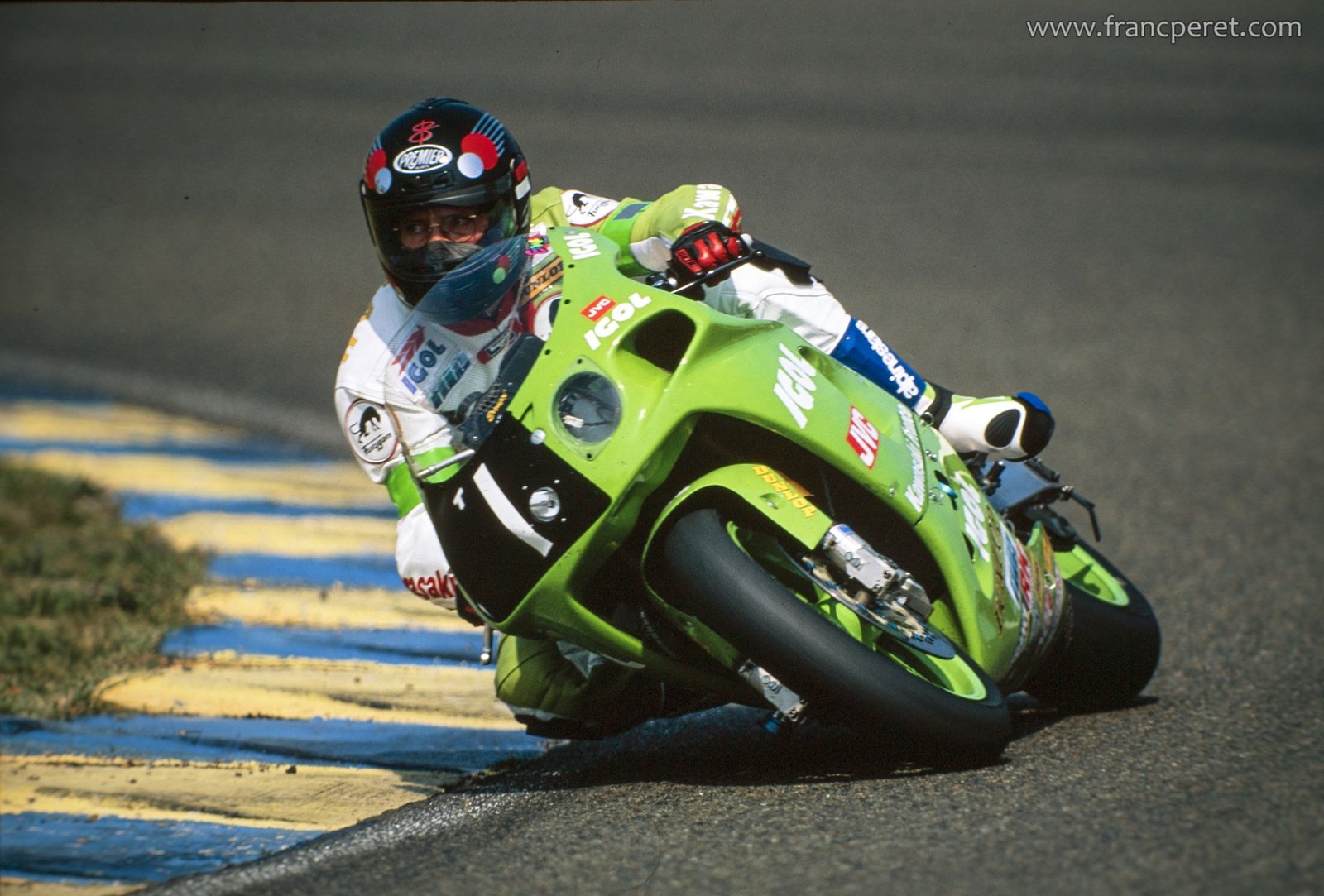
Left!Motorcycle Racing is based on quick decision making when the unexpected just happened. Should I go left or right?
Lack of success in Photography is rarely the fault of the camera (especially nowadays), and instead of waiting for a miracle auto-stabilized and auto-focus system able to track a specific subject at any speed and in any direction, photographer should question themselves, their knowledge and their personal skill or technique. At a certain extend, too much technical assistance is heading to the end of needed human skills to achieve creative shots. Thus, we already have a new breed of “photographers” who didn’t exist 15 years ago: the pixel peeper.
Crowd on feet, playing with silhouettes against the sun
Ultimately, people who have difficulties to grab motion shots are very welcome to join my Essential Photography Class, as I am teaching to everyone “target speed”, “freezing or tracking movement”, “anticipation”, “tempo”, “predictive focus” and “tracking subject in motion”.
Dynamic wide shot: Track signs help to keep everyone on the tarmac, especially at night.
All the pictures posted here were shot with a film camera. I couldn’t see the result in term of sharpness, focus accuracy and exposure but this limitation didn’t forbid me to take risk and to determinate the right decision (setting and composition) in some difficult, but interesting, lighting condition while shooting high speed motorcycle in motion.
Comfort is vital to watch a 24h race
Cherry on the cake, I was at this period of my life “official” Pentax France photographer and they sponsored me by lending for free all the equipment I needed for my job.
Among my colleague, my nickname became Franc Pentax, as I signed all my published article and picture by Franc Péret(Pentax).
Bertrand, one of my former workmate (test rider at Moto Journal) won twice 24h Le Mans Race (1998/1999)
I was the only pro sport photographer in France supported by Pentax (everyone else was working with Nikon and Canon) and it lasted several years, until I left France for Japan.
Before that, I lived in Taiwan for a while and despite my new location, Pentax France kept lending me camera and lenses for my work in Taiwan. This friendly support, due to years of successful relationship, helped me greatly for starting a parallel career in film making industry.
But this is another story.
Sun rising in the middle of the day
To get back to 24 H Le Mans, my main camera was a Pentax Z1p and for that specific race I got for free a 600mm f4 lens weighting almost 7 kg! (value: 5000 USD at that time!)
I needed a small trolley to carry it around the race track and a Monopod to sustain the weight while shooting.
When racing looks like a colorful ballet
Beside this monster i had my usual 20mm f2.8, 35mm f2, 50mm f1.4, 85mm f2.
I had auto-focus system on my camera, but this was 16 years ago technology!, with few focus point in the viewfinder and a system not that fast to react.
The night was long for racing teams and short for spectators
At that time, except the sharpness of the lens and the color of the film, the results did not depend on the technology, but was relying on the photographer skills and knowledge to be able to achieve those results.
A professional photographer was not just a guy with a camera, as it seems to be nowadays.
Magic racing moment in natural environment under late afternoon sunlight. Lets forgot about the race and feel the mood of the nature surrounding the track.
As soon as I was sure to be able to capture motion, I worked on my composition and the mood I could get out from different lighting situation.
As the race last 24 hours there was plenty of option to play with.
Photographer were already doing “Selfies” at that time. Here in a charming fire woman’s helmet
This was especially true as out of the race itself, I was mainly interested in the public vision of the event sharing most of my time with them behind the protective fence.
sport photographer skill: Being there, close to the action without slowing down the team work
To underline this double vision, I had alternated racing shots and ambiance shots in this post for you to feel the interesting bipolarity of that event and the great possibilities for an open minded photographer.
Enjoy
Franc
100 000 spectator seen from the winner point of view, one privilege of being a professional photographer.Car drivers are opening the space for motorcyclist to go through the traffic. 100 000 people are going back home, half of them riding motorcycle in a continuous lineFriendly sign to the photographer from the motorized spectator leaving the race track