COLD HANDS, WET FEET, SUN IN THE EYES
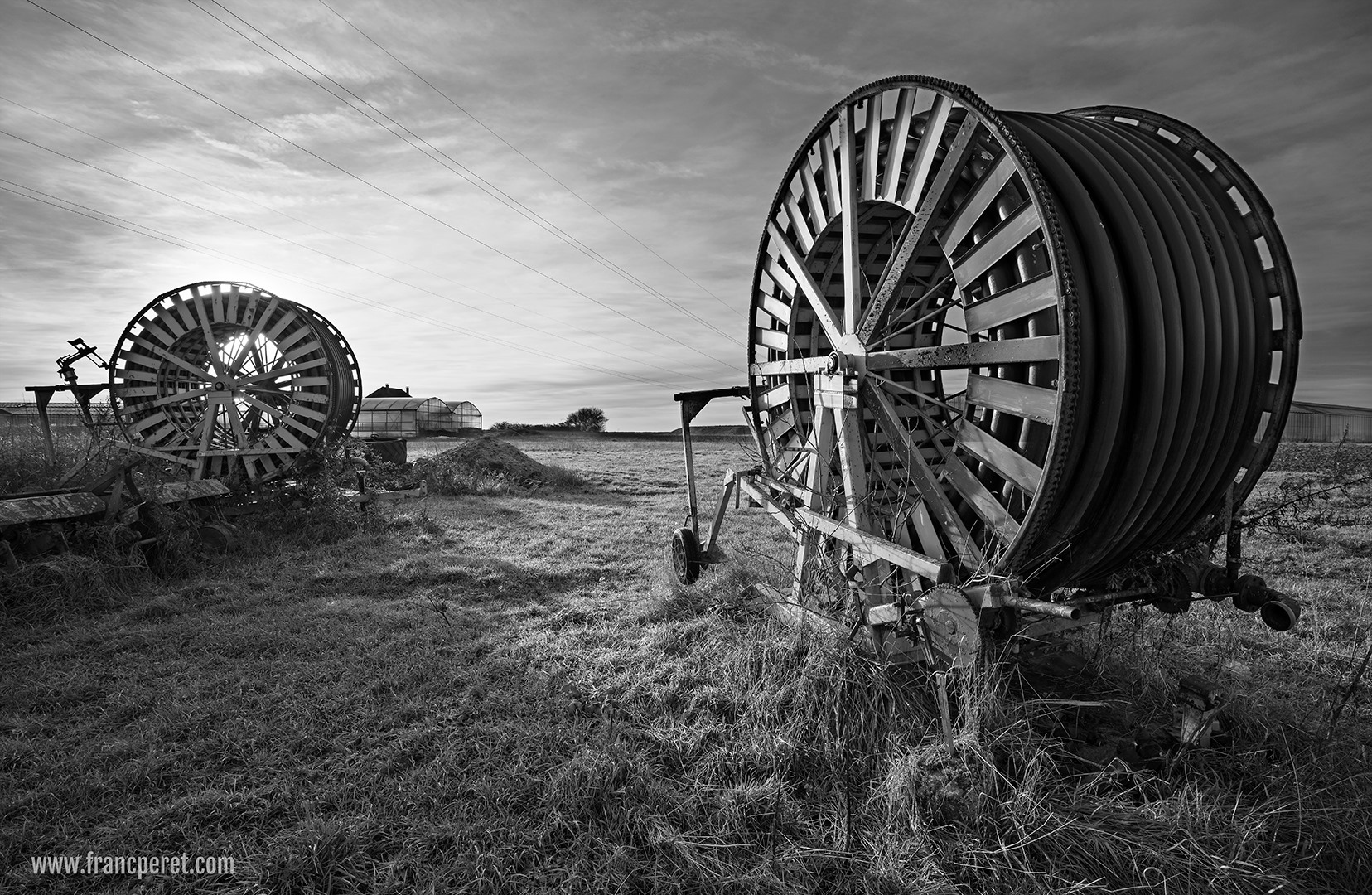
Around my village, in Burgundy
Franc Peret
MAINS FROIDES, PIEDS HUMIDES, SOLEIL DANS LES YEUX
Autour de mon village, en Bourgogne


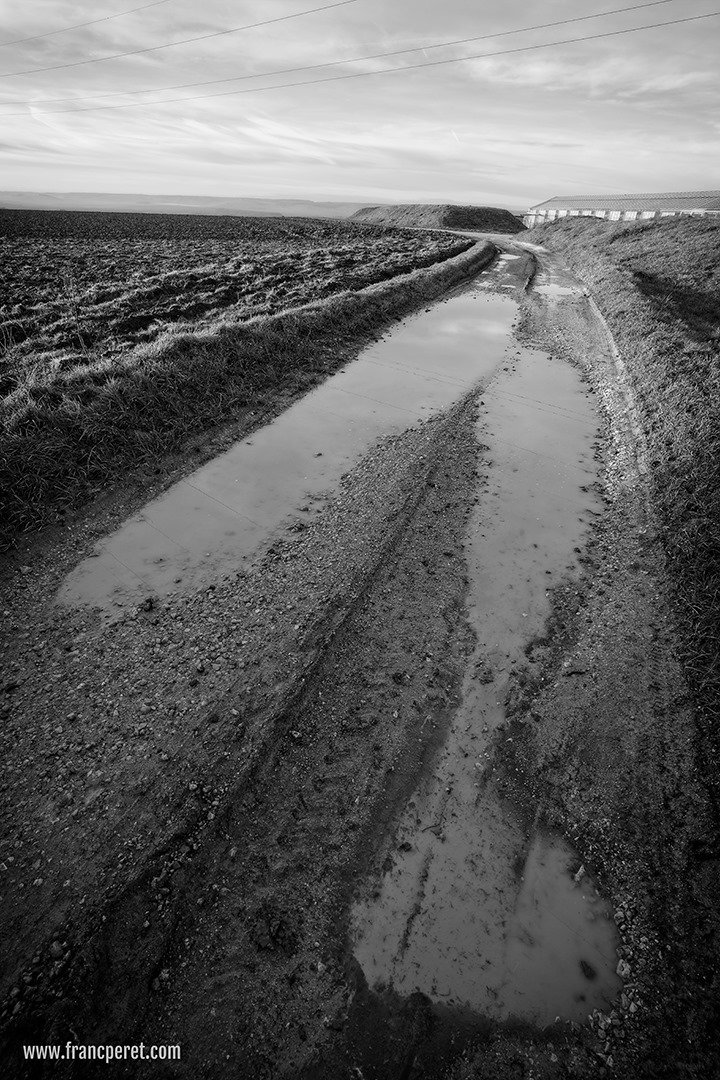

COLD HANDS, WET FEET, SUN IN THE EYES
Around my village, in Burgundy
Franc Peret
MAINS FROIDES, PIEDS HUMIDES, SOLEIL DANS LES YEUX
Autour de mon village, en Bourgogne
BACK TO PHOTOJOURNALIST MEMORIES
Firemen at work in Shanghai
Franc Peret
RETOUR A MES MEMOIRES DE PHOTOJOURNALISTE
Pompiers au feu à Shanghai
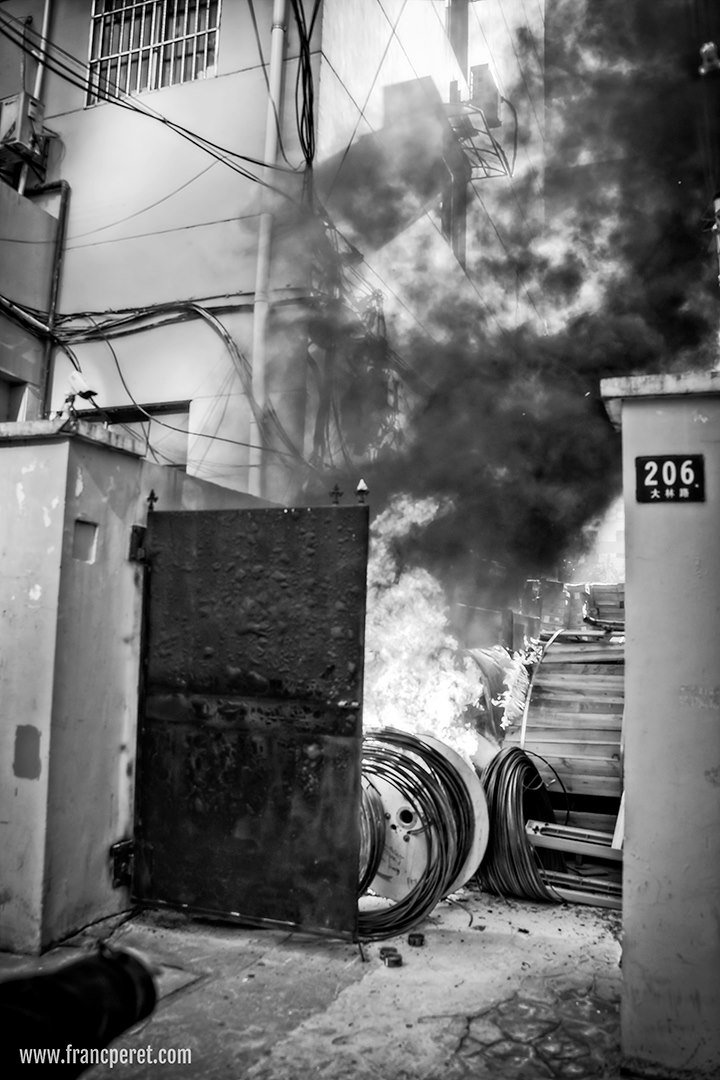


Different feels

I treated the shot in B&W despite the fire… Perhaps to give more importance to the people, to draw attention to the faces rather than the flame.

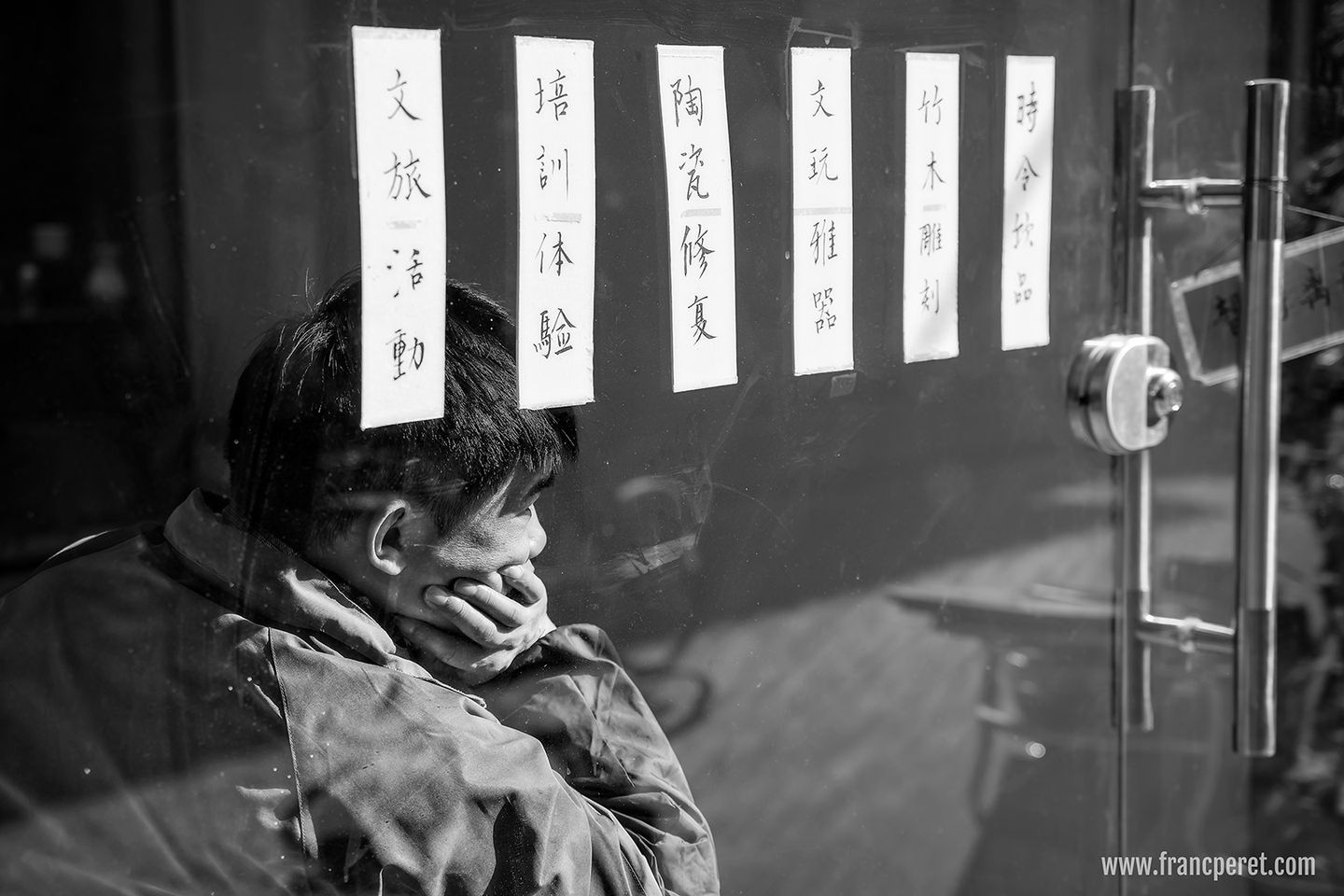
The thinker behind the window of multi activities store : travel activities, free training, china repair, pawn shop, bamboo carving, seasonal fruit juice. (shot in Shanghai)
Franc Peret
Le penseur derrière la vitrine d’une boutique multi activités : voyage associatif, cours gratuits, réparation de porcelaines, dépôt vente, sculpture sur bamboo, jus de fruits de saison. (Shanghai)
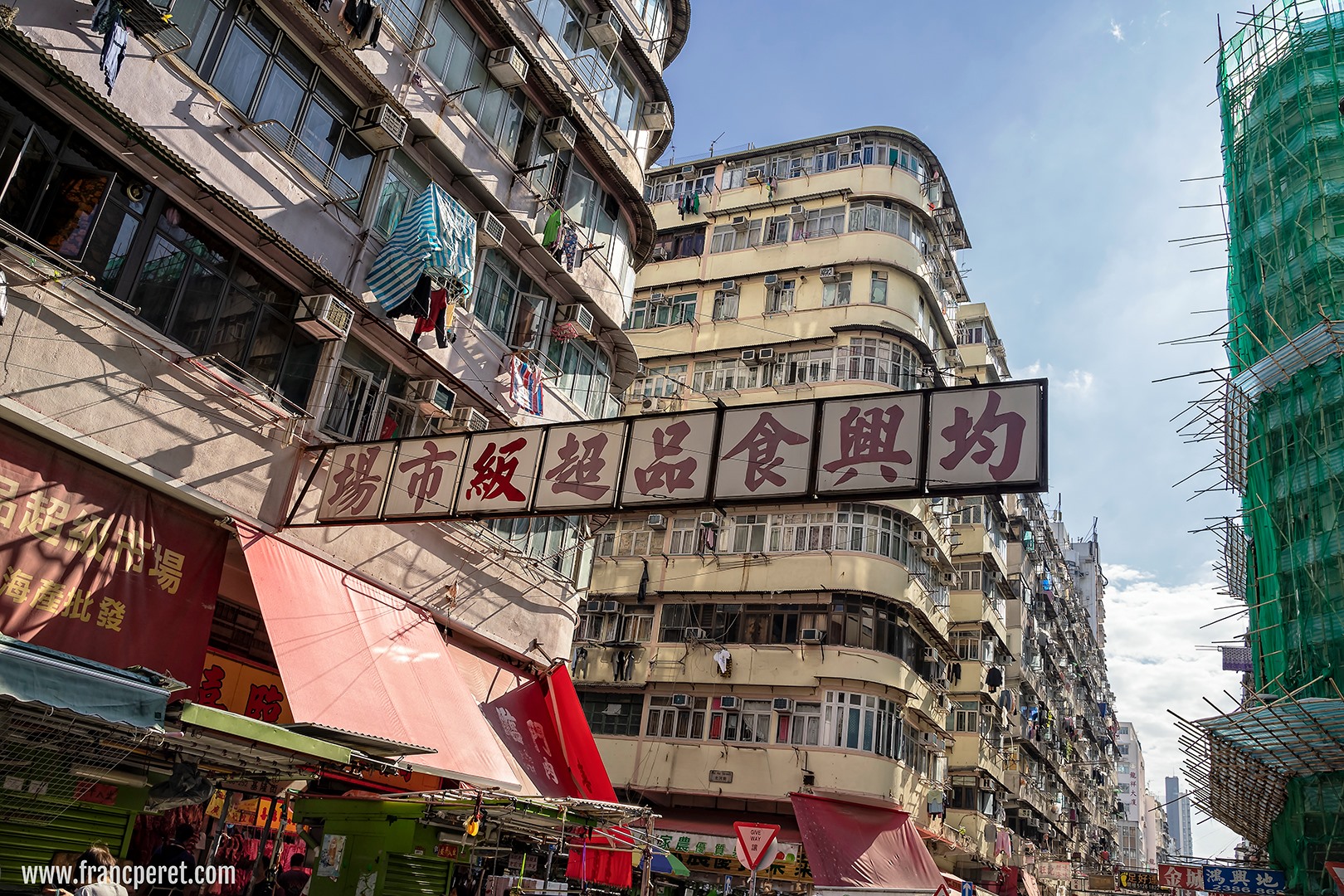
Ever since I discovered it in 1995, I’ve loved Hong Kong. It is a unique place in the world. Small in size but so huge in flavors, meanings and cultural diversity. I love this place and my only regret is that I never having lived there.
Franc Peret
TIPS :
1- Always click on the image to view the highest quality
2 – La version française suit la version anglaise.


As you may know protests have been happening almost daily in HKG for months and while as a foreigner and especially as a Westerner (due to the colonial past of this area) I do not did not feel entitled to judge or intervene in these internal events.

As a photographer, however, I hoped to witness and capture with my camera some of these incredible street protests that are part of contemporary history.

I have followed many similar events in France, such as the still current demonstrations of the yellow vests, and I found it both interesting to compare these photographic and human experiences and these popular protest movements.
The Unwitting Peacemaker

Unfortunately for me, but fortunately for Hongkongers, because of the local elections, nothing happened for the 4 days I stayed there on an express round trip.

So I focused on the city and its inhabitants to collect some “tourist” shots to my liking.
Strong memories of my favorite movie “Chungking Express”, and all my previous visits came back in the form of emotional tsunamis:
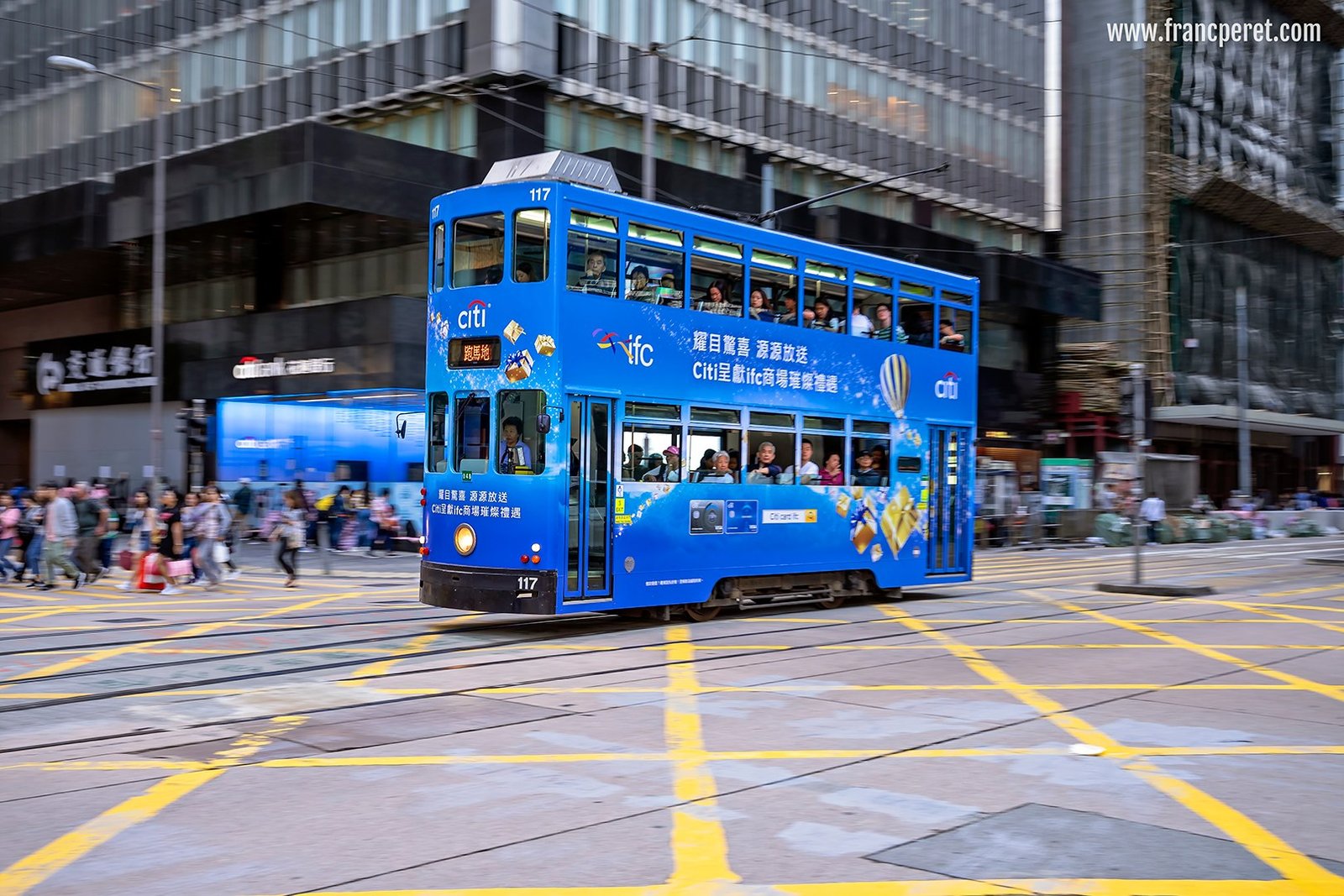
Memories of my 25 years of irregular liaisons with this extraordinary place come back to my face.
My many round trips from Taiwan to renew my visa, my meetings with Christopher Doyle (Wang Kar Wai DOP), my video shoots for Harley-Davidson, my friends who left and those who still live there…


Depuis que je l’ai découvert en 1995, j’ai adoré Hong Kong. C’est un endroit unique au monde. De petite taille mais tellement énorme en saveurs, en significations et en diversité culturelle. J’adore cet endroit et mon seul regret est de n’y avoir jamais habité.
Franc Peret
Comme vous le savez peut-être, des manifestations se sont produite presque quotidiennement à HKG, pendant des mois et si en tant qu’étranger et, plus surtout en tant qu’occidental (en raison du passé colonial de cette région), je ne me sentais pas en droit de juger ou d’intervenir dans ces événements internes.

En tant que photographe, cependant, j’espérais être témoin et capturer avec mon appareil photo certaines de ces incroyables manifestations de rue qui appartiennent à l’histoire contemporaine.

J’ai suivi de nombreux événements similaires en France, tels que les manifestations toujours actuelles des gilets jaunes, et je trouvais cela à la fois intéressant de comparer ces expériences photographiques et humaines et ces mouvements populaires de protestation.

Malheureusement pour moi, mais heureusement pour les Hongkongais, à cause des élections locales, rien ne s’est passé pendant les 4 jours où j’y suis resté lors d’un aller-retour express.
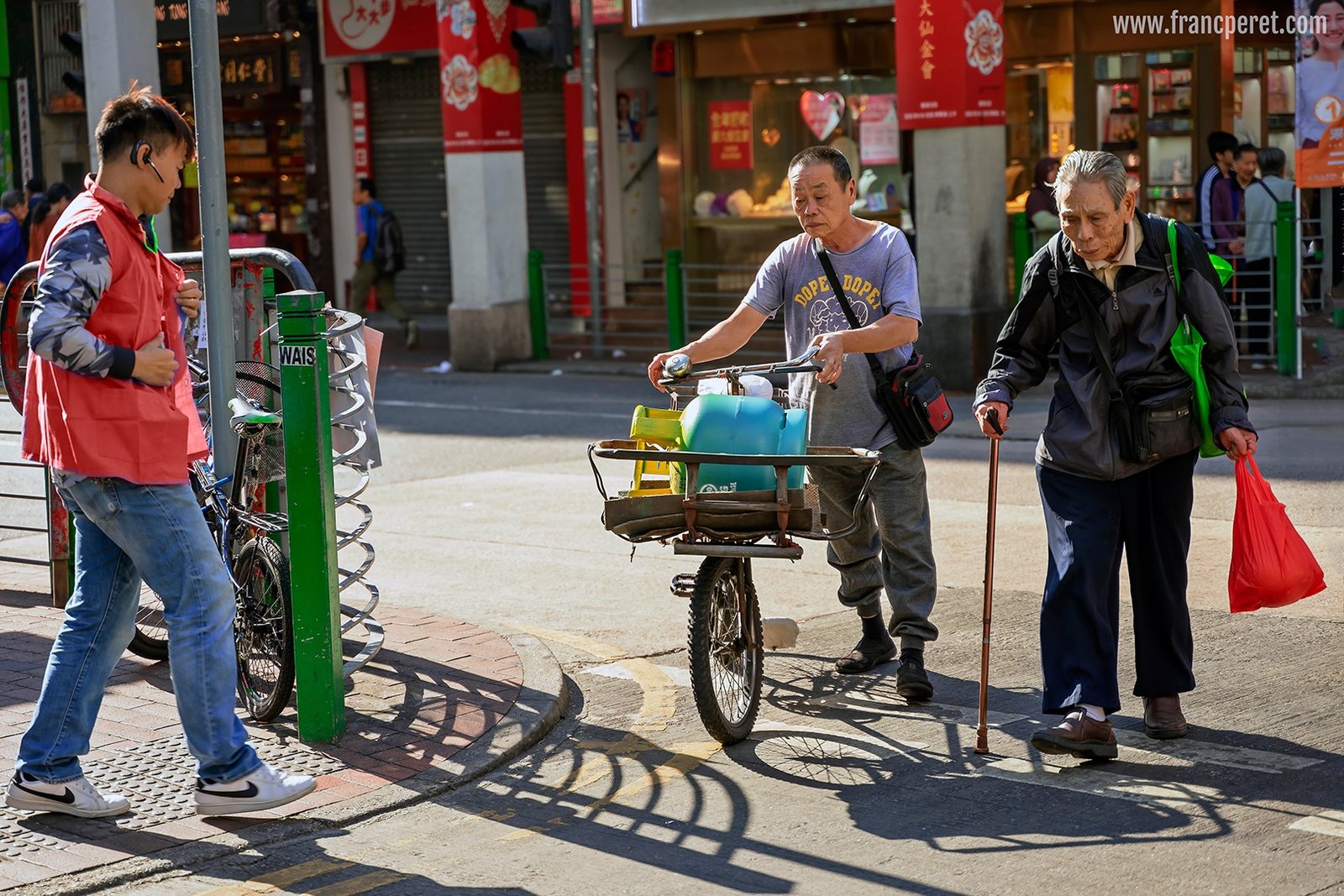
Je me suis donc concentré sur la ville et ses habitants pour récolter quelques clichés “touristiques” à mon goût.
Des souvenirs forts de mon film préféré “Chungking Express”, et toutes mes visites précédentes sont revenues sous forme de tsunamis émotionnels : Les memoires de mes 25 ans de liaisons irregulieres avec cet endroit extraordinaire me remontant en plaine face.

Mes nombreux allers-retours depuis Taïwan pour renouveler mon visa, mes rencontres avec Christopher Doyle (Wang Kar Wai DOP), mes tournages de vidéos pour Harley-Davidson, mes amis partis et ceux qui y vivent encore…
LONELINESS
Peasant lost in the subway of the megalopolis of Shanghai, after his daily work on a construction site.
SOLITUDE
Paysan perdu dans le métro de la mégalopole de Shanghai après sa journée de labeur sur un chantier de construction.
LOST IN FALL
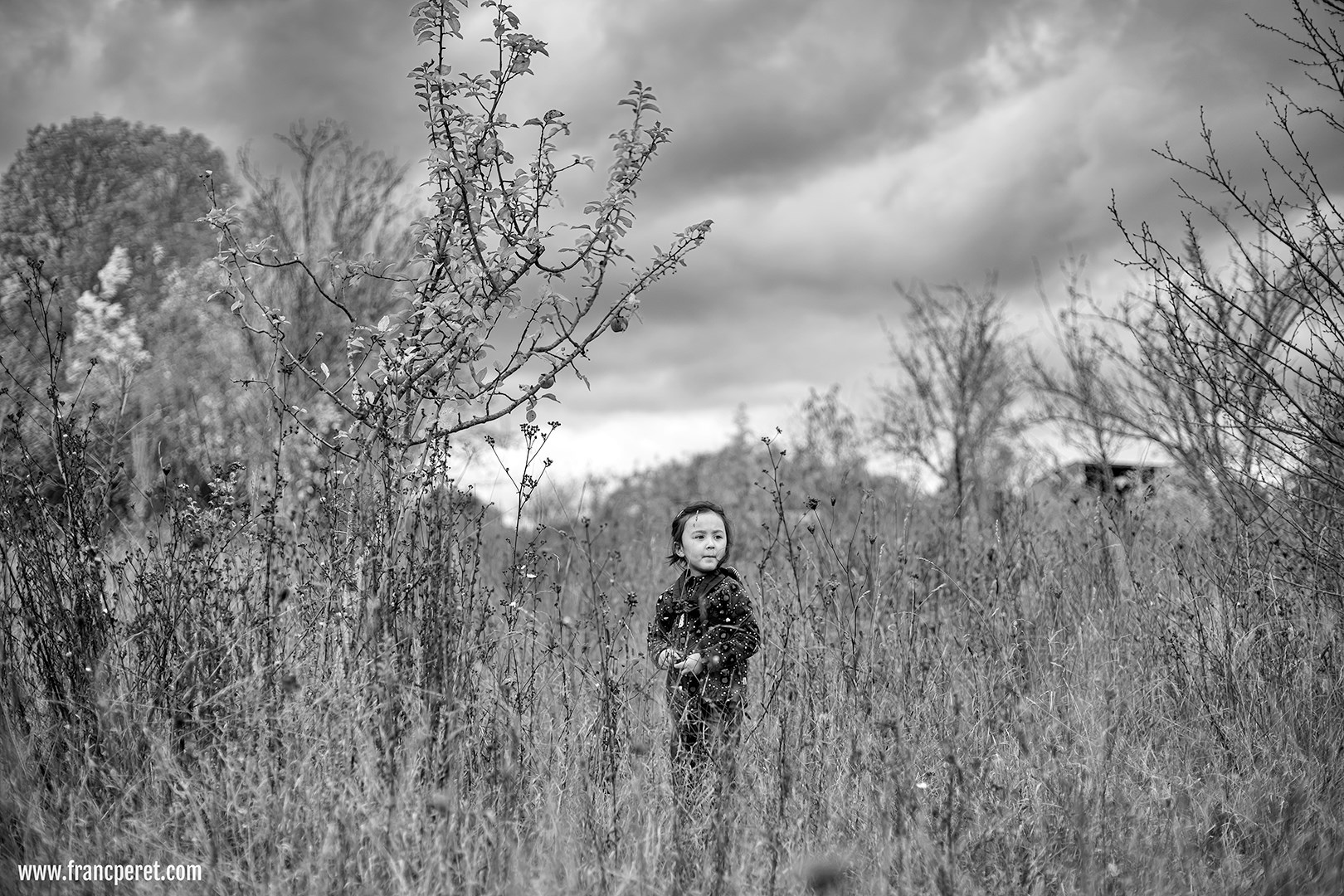
Picture shot in October, in Burgundy bush, while searching for mushrooms.
PERDUE EN AUTOMNE
Photo prise en octobre, dans la brousse bourguignonne, à la recherche de champignons.
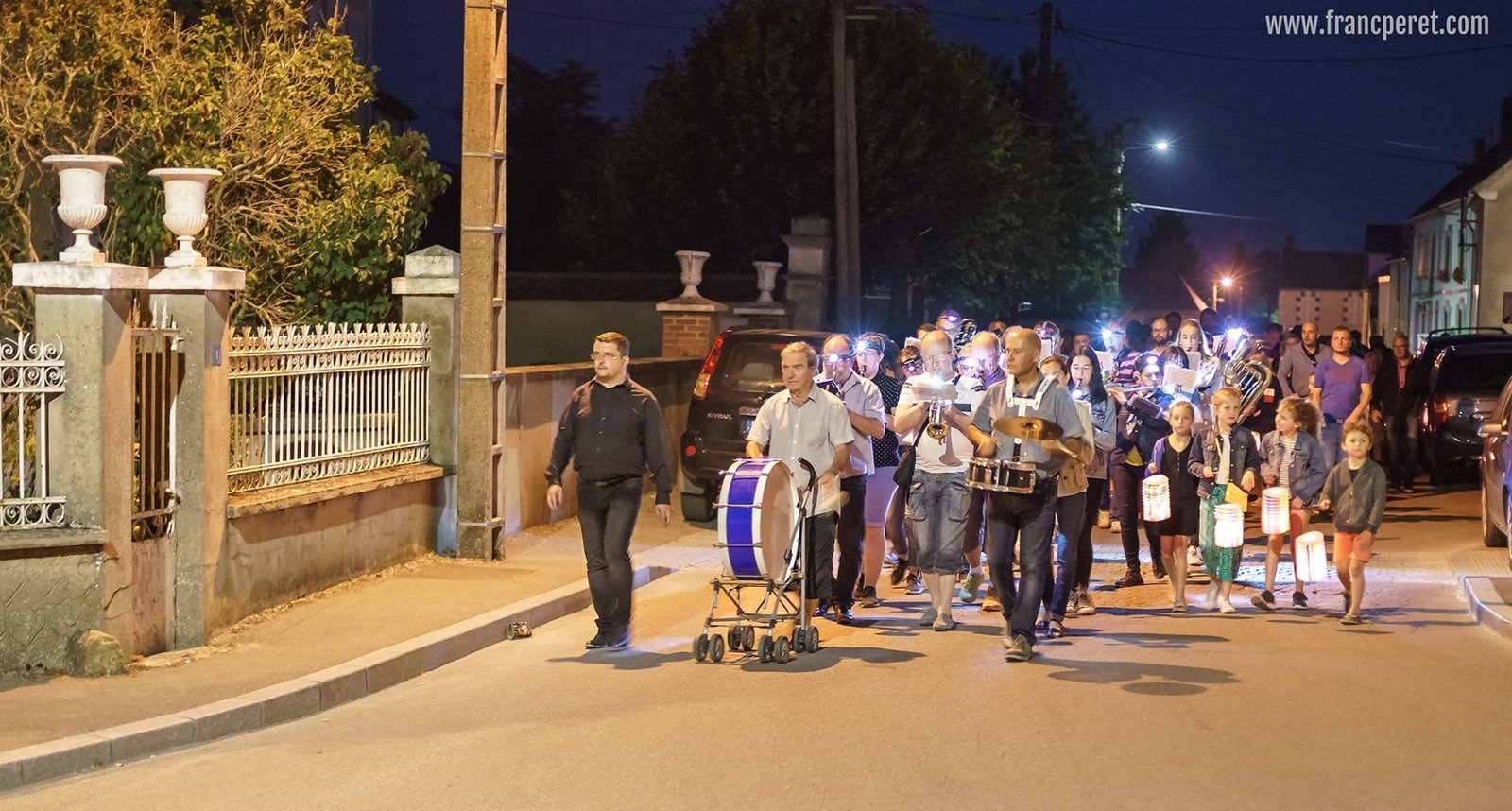
MOBILE NIGHT CONCERT, LANTERNS AND SHEAF OF SPARKS IN THE SKY
July 14 th National day in our village
CONCERT MOBILE NOCTURNE, LANTERNES ET GERBES LUMINEUSES DANS LE CIEL
Fête nationale dans notre village


History is on its way in France, with its yellow vest insurrection and I couldn’t let it go without being part of it as a visual witness, due to my photo and video journalist background
By Franc Peret
I left home at 5:30 am took a train and spent my day in Paris, searching for snapshots in the heat of the yellow vest insurrection.
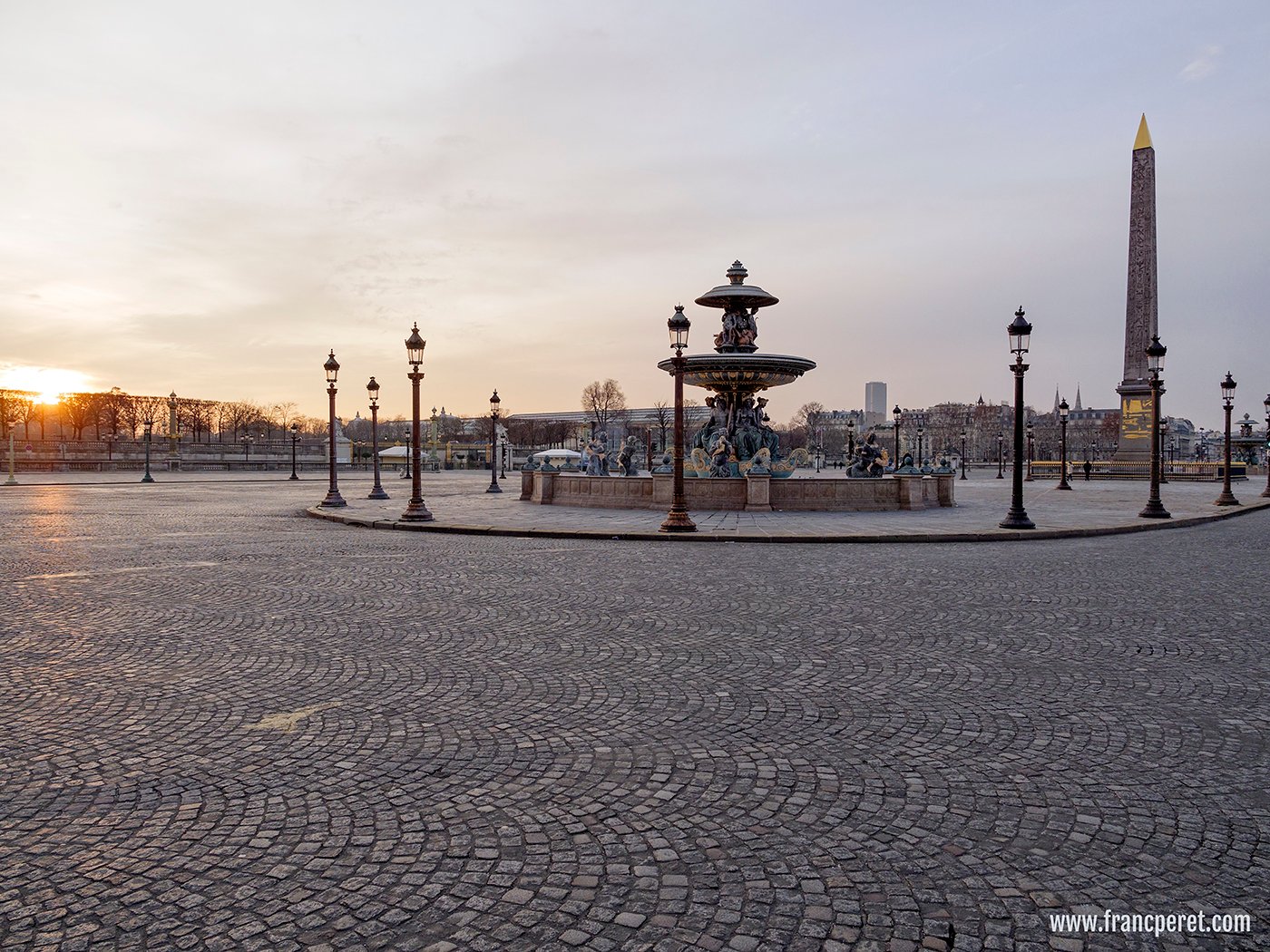
Subway stations being shut down, I walked for hours from “Paris-Bercy” to “Place de l’Étoile” through “Bastille” (about 11 kms due to many major streets blocked by police).


I saw policemen disguised as protesters, I got 6 safety body search prior to reach “Champs Élysées”.
Police kept my protective goggle and my light gas mask to be sure I will be suffering during their coming assault.
I followed a growing marching group to destination.


They were coming from all parts of France, with no leaders and no political party for telling people where to go and what to do.

Most of them reacted against the official message from our government: “Don’t go to Paris, it will be too dangerous and our forces will be tough on illegal protesters (they consider us all as illegal anyway)”.


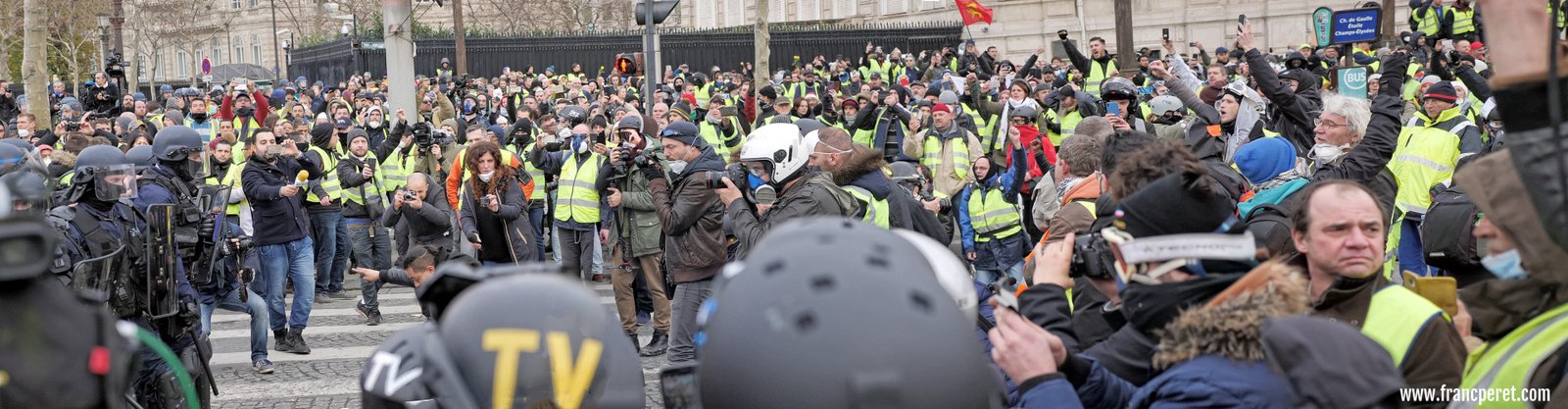
Reaching “Champs Élysées”, men in uniform let us in, but never let us out until mid afternoon.


Waiting for the rest of the crowd, we exchanged jokes and opinion with very friendly Gendarme (kind of police belonging to Army corp) locking the way to the “Place de l’Étoile”.

Later on, they protected us against some very aggressive policemen in combat gear.

Locked in a trap, we swallowed tear gas for hours.


Once I threw up and cried a lot.

I became blind and lost my way, until a baton pushed me away in the right direction. I was in the most dangerous location; among men in gear.


Few minutes later, I got shot by a flash ball in my right leg.


Luckily, it bounced on somebody else before hitting me.
The old lady was bleeding, and I just got a bruise.
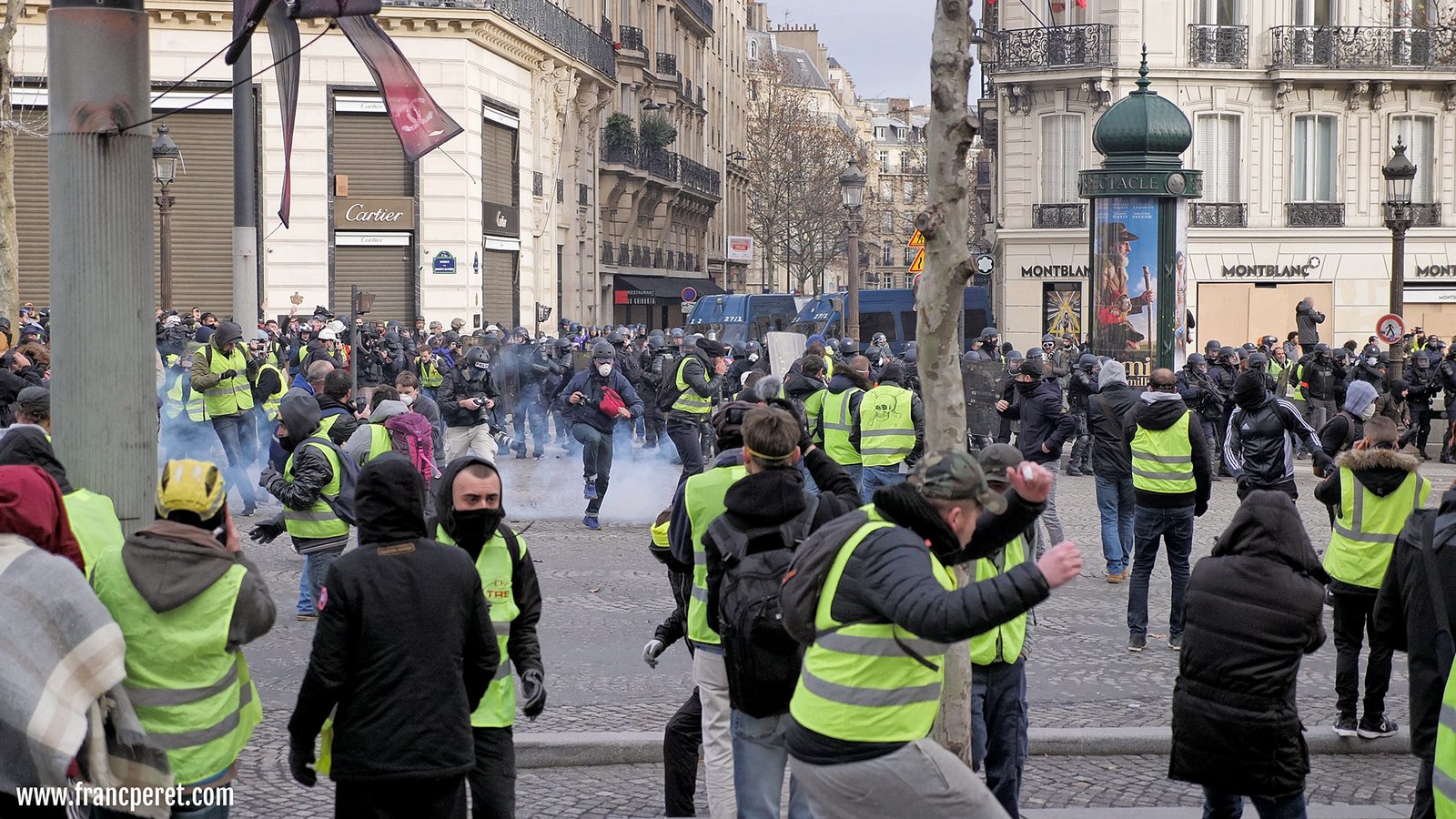
Protesting nurse, doctors and firemen in strike took care of people in pain like us.


My leg was steep and I had great difficulties to reach back my train station, hobbling for 2 hours, on the irregular pavement of the Seine river bank.

Back in the train, i realized that I didn’t sit for a single second during the last 10 hours.


I was not fully satisfied with my pictures and video, as my lack of protection, experience and updated information plus my protective instinct kept me away from the hottest event.

Thus I went back once again to Paris the following Saturday, with a better understanding of the situation but a worst lighting situation due to a winter style overcast day…
THE END
Information:
– All pictures were shot with Panasonic Lumix GH5 + 12-35 mm f/2.8 + 35-100 mm f/2.8 + Voigtlander 25 mm f/0.95.
– Wide format pictures and panoramic views were extracted from my 4K video footage.
Former photo journalist, Film maker and ELC Shanghai Photography teacher, Franc Peret is teaching Essential Photography Classes, Advanced Photography Workshop and Film Making Classes in Shanghai, for the last 13 years.
If you wish to contact Franc, just drop an email to francperet@hotmail.com




For beginners, a good photography starts with a good subject. While progressing, the quality of light becomes a priority over subject, as any of them can deliver a great result as soon a moody lighting is falling on it.
Franc Peret
In my Essential Photography Classes, I very quickly emphasize the importance of light to my students who solely focus on camera settings and the subject itself.


I am always repeating this back to basic motto: “without good light, there is no good picture”
The word “Photography” literally (from its Greek origin) means: “painting with light”.


It is the reason why, big budget advertisement, movies and important visual production are spending most of the money on lighting equipment, specialist and crew.
It is also the reason why studio shooting are making a difference compare to natural light session (for portrait, products and fashion).


Also, memorable landscape photography are always shot at the best time of the year and the best hours of the day.
ISOgraphy
Of course, with newer camera able to shoot at very high ISO (higher than ISO 6400), this original idea seems outdated.


And some geeks are spending their time to challenge their vision and their equipment capacity by shooting subjects in “no light” situation such as a jumping black dog in a tunnel at night.


With this search of camera efficiency in low light, subject is not important anymore, only pixel peeping and noise hunting on screen seems to bring satisfaction.

However, this kind of practice is not related to photography anymore and I am calling it “ISOgraphy”.
Light is all you need
Therefore, whatever camera you are using, a better lighting will always bring the best improvement in your photography.


I am so used to search for light (or building up lighting for film making and studio work) that my emotional response to any subject (even my little daughter) is linked to the quality of light falling on them.

Somehow, anything under good lighting is a subject to me and my feeling and creativity is building up the shot.
Quality of light?
When I am speaking about lighting, there is sometime a misunderstanding among my students.
While I am considering quality, they are considering brightness only.

A good quality of light is shaping the subject (3D feel), bringing a mood (hard or soft), displaying vivid or pastel colors, offering a strong B&W type of contrast or a smooth transition between bright and dark area.


As soon as you are starting to be sensitive to light, it is a never ending experience as it is spreading such a wide panel of beauty and there is nothing more enjoyable in life than to see beauty everyday.

No need to be trained to find good lighting, it can be anywhere, anytime (for close up shots) and you just need to open your eyes and to concentrate on the way light is falling on things and people around you.
And whatever is bath under a great light will become your subject…
Former photo journalist, Film maker and ELC Shanghai Photography teacher, Franc Peret is teaching Essential Photography Classes, Advanced Photography Workshop and Film Making Classes in Shanghai, for the last 11 years.
If you wish to contact Franc, just drop an email to francperet@hotmail.com


Spring is here, white stork going back home. Picture Shot with Panasonic G85 + Lumix 100-300 mm f/4-f/5.6 lens.
By Franc Peret
Living in Burgundy in France for a while after so many years in China, getting back to nature and wildlife environment is a blessing.
I am always carrying a camera with me to record whatever happens in the countryside.
I am used to driving on a very small road and I spotted an area where migrating birds were used to take a rest.
Full Frame was not the best tool for this shot
That day I was carrying my Nikon D750 and an old 80-200 mm f/2.8 zoom, but the reach was not long enough and anytime I tried to get closer to the bird, they were flying away, in the wrong direction from my point of view.
At home, I am having a 300 mm Nikon lens, but according to my initial shots, I knew it would not be long enough.
M43 for wildlife
The next day, I came back with my Panasonic G85 and my longest lens.
Panasonic or Olympus are M43 type camera and with their smaller sensor (compare to APS-C or Full Frame) actually “crop” the lens internally by 2 compare to Full frame.
Thus, a 100 – 300 mm M43 zoom lens delivers an image which is equivalent to a 200 – 600 mm FF zoom lens.
This is a big advantage for wildlife photography as you can be 2 times further away from your subject + the lens is at least 2 times lighter (less tiring without monopod) than its Full Frame equivalent.
Another advantage is the fact that @ f/4, an M43 sensor delivers the equivalent depth of field @ f/8 on an FF sensor.
Therefore, I am using a lighter (also much cheaper, and surprisingly good) lens, with a long reach and plenty of depth of field.
Last but not least, my Panasonic G85 combines both stabilizations on the sensor and the lens to allow the use of slower shutter speed.
This is a great feature if you are shooting something steady.
However, here, as the birds are flapping, I have to shoot at around 1/500s – 1/1000s shutter speed.
Here are my settings:
– Aperture priority mode
– Continuous focus
– ISO 100: I should put ISO 200 (which the base ISO on this camera) but I was shooting something steady just before this one and I had no time to switch.

Higher ISO would give me a little bit more speed or allow me to close down a bit more the Aperture for more sharpness and less motion blur.
– Aperture f/5.6: Zoom was at 276 mm and its max aperture at this range is f/5. It is very important on such a zoom lens to never zoom in completely as image get less sharp at the longer end of the zoom.
Also better to never work at its max Aperture. Closing a little bit will always deliver a sharper image.
– Resulting Shutter speed: 1/640s. 1/1000s would have been better and ISO200 would have help on this.
Still, that speed was ok. Actually bigger the bird, less shutter speed you need as they are flapping at a slower frequency than smaller birds.
– Exposure correction: +0.7.
Another great feature of the M43 camera is their electronic viewfinder with histogram constantly visible in it.
Thus, on this Panasonic G85, I can immediately correct under or overexposure by turning a wheel under my thumb without pressing any button. This is immediate and very useful when “magic finger” is not possible (like in this case).
As I am shooting against the sky, close to the source fo light, I had to force my camera to shoot a brighter image to not get the bird as a silhouette.
– Post processing: Some people like (and promote the idea) to correct this kind of exposure compensation in post processing (by pushing brightness in shadows), but M43 sensors have their limit (weakness) and this is one of them.
Correcting too much in post create lots of noise.
As I am “old school” I am used to set my camera at the exact right exposure while shooting as with slides, they were no way to correct mistakes later on.
Hope this was informative!
Former photo journalist, Film maker and ELC Shanghai Photography teacher, Franc Peret is teaching Essential Photography Classes, Advanced Photography Workshop and Film Making Classes in Shanghai, for the last 13 years.
If you wish to contact Franc, just drop an email to francperet@hotmail.com